Blog
US Treasury Rules on Iraqi Dinar: What Every US Buyer Must Know

Understanding the official US Treasury rules on Iraqi Dinar orders is vital for collectors. Many people look to buy iraqi dinar currency across the United States today. For paper banknote enthusiasts, physical bills provide a direct link to world history. However, these banknotes originate abroad, so clear knowledge of federal oversight keeps every purchase secure.
In addition, buyers searching for authentic dinar for sale often have practical questions. For example, how do federal authorities monitor domestic currency businesses? What specific protections exist for retail buyers? Furthermore, how do international dollar settlements impact paper note availability?
Here is an objective, fact based breakdown of the federal framework governing physical Iraqi banknotes in the United States.
What Are the Official Rules for US Buyers?
Under United States federal law, private citizens can legally own physical foreign banknotes. You may keep them for personal collections, cultural study or travel.
Importantly, federal statutes do not prohibit individuals from keeping genuine paper bills. The restrictions enforced by the federal government do not target private collectors acquiring authentic notes. Instead, primary federal requirements apply directly to commercial entities. Therefore, regulations govern the distributors that offer physical iraqi dinar for sale in the United States.
How FinCEN Regulates Banknote Merchants as Money Services Businesses
The primary agency supervising commercial banknote merchants is the Financial Crimes Enforcement Network (FinCEN). This active bureau operates under the U.S. Department of the Treasury.
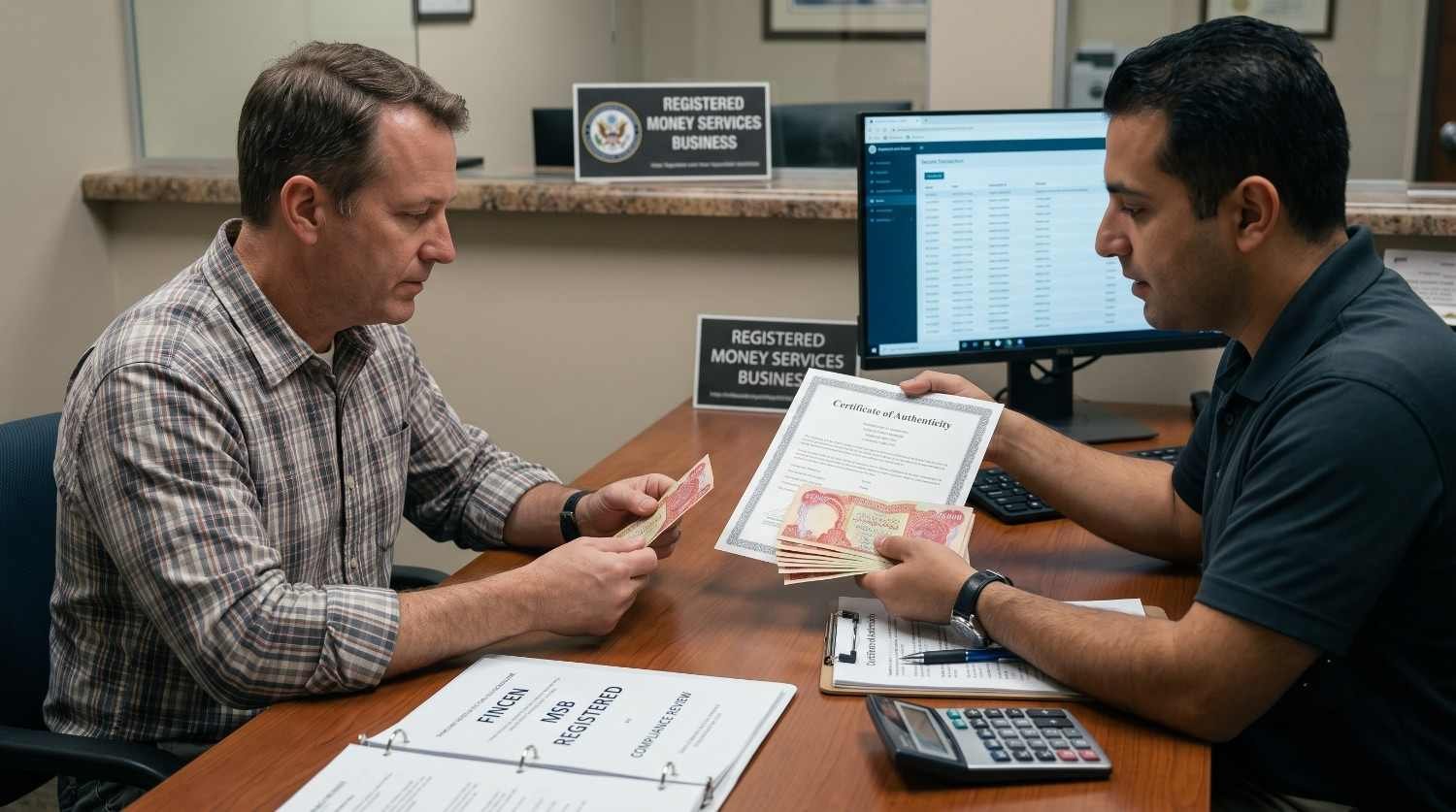
Specifically, federal statutes classify these sellers under 31 CFR 1010.100. Any domestic business distributing paper bills above set transaction limits operates as a Money Services Business (MSB).
Consequently, federal MSB registration establishes mandatory compliance duties for paper banknote providers:
- Customer Due Diligence: Registered merchants verify customer identities on qualifying orders. Thus, they maintain transparent transaction records.
- Anti Fraud Protocols: Dealers must create written internal compliance programs. As a result, they stop unauthorized cross border transactions.
- Inventory Sourcing Records: Compliant sellers maintain complete documentation. This proves that all paper bills entered the country through lawful, vetted channels.
When you decide to buy iraqi dinar, vendor registration is critical. An unvetted vendor without federal registration leaves you exposed to unverified origins, lost shipments and counterfeit merchandise.
Why the New York Federal Reserve Audits Iraqi Dollar Accounts
A unique component of this regulatory structure involves the Federal Reserve Bank of New York. Many collectors wonder why a regional United States reserve bank audits another nation’s monetary transactions.
First, Iraq’s primary source of national revenue is crude petroleum. In global trade, international oil sales settle in United States Dollars. Therefore, those dollar revenues go directly into accounts at the Federal Reserve Bank of New York.
Next, the Central Bank of Iraq (CBI) requests regular disbursements from these New York balances. These funds provide liquidity for domestic commerce:
- Electronic Screening Systems: The New York Fed and the US Treasury review all wire destinations. Consequently, they ensure complete transaction transparency.
- OFAC Trade Controls: Oversight teams verify that dollar funds do not reach unauthorized entities in neighboring nations.
- Official Auction Rules: Commercial institutions in Baghdad must pass transparency reviews. If they fail, they lose access to official window pricing. Subsequently, they must obtain dollars through street level cash shops instead.
Overall, this strict review preserves international trade settlements. It also ensures physical currency distribution follows monitored banking rails.
Federal Consumer Alerts Regarding Banknote Sales
Federal consumer protection agencies periodically issue educational advisories regarding foreign banknote purchases. One leading source is the Federal Trade Commission (FTC).
In particular, federal consumer alerts emphasize several key facts:
- No Official Endorsement: Federal agencies never sponsor the retail sale of foreign paper notes. This includes the US Treasury and the Federal Reserve.
- Transparent Pricing: Trustworthy distributors state product costs, shipping charges and handling terms upfront. Moreover, honest sellers do not promise guaranteed future windfalls.
- Traceable Order Processing: Safe transactions rely on protected payment channels. For instance, credit cards and business banking offer verifiable receipts. Conversely, avoid vendors who demand paper cash sent through the mail.
How to Responsibly Acquire Banknotes in the United States
When choosing to buy iraqi dinar online, prioritizing merchant compliance ensures a transparent order from start to finish:
- Confirm Regulatory Status: Ensure the company operates under documented federal oversight as a registered currency merchant.
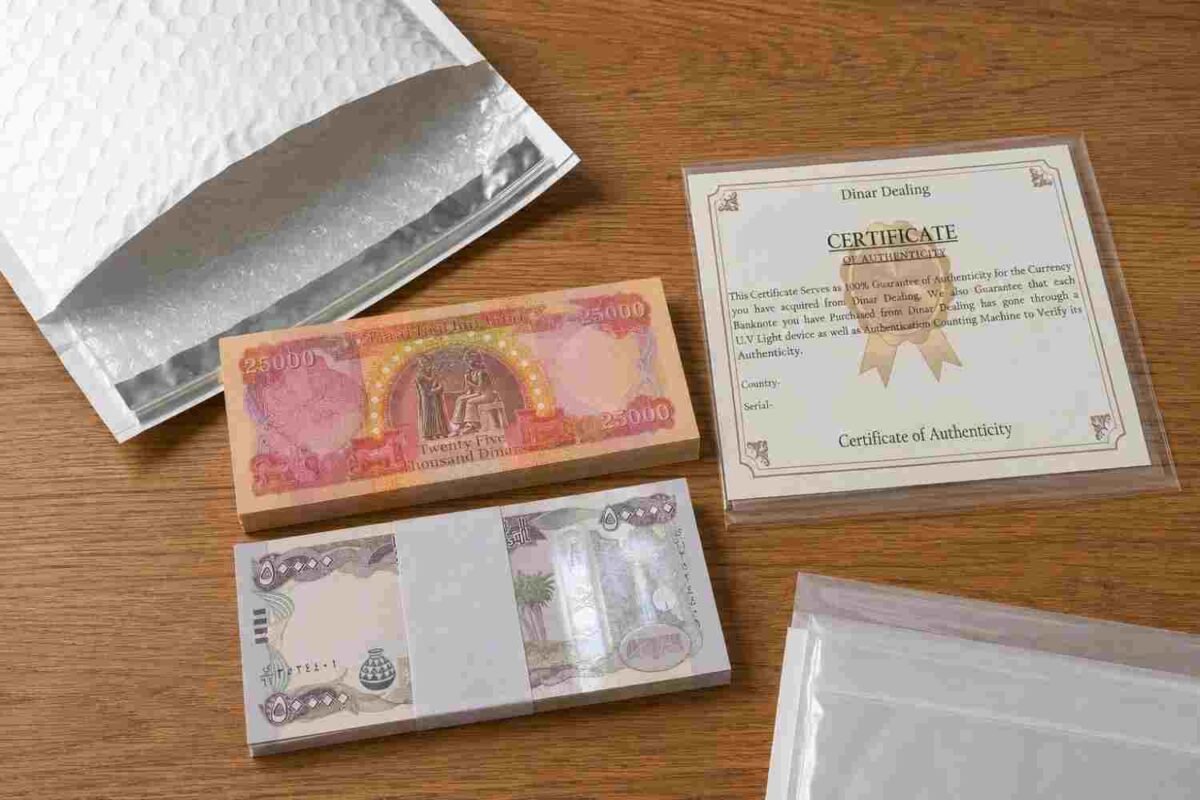
- Require Verified Documentation: Choose sellers that include a formal Certificate of Authenticity with each banknote shipment.
- Select Insured Logistics: Make sure shipments travel via tracked carriers requiring signature confirmation.
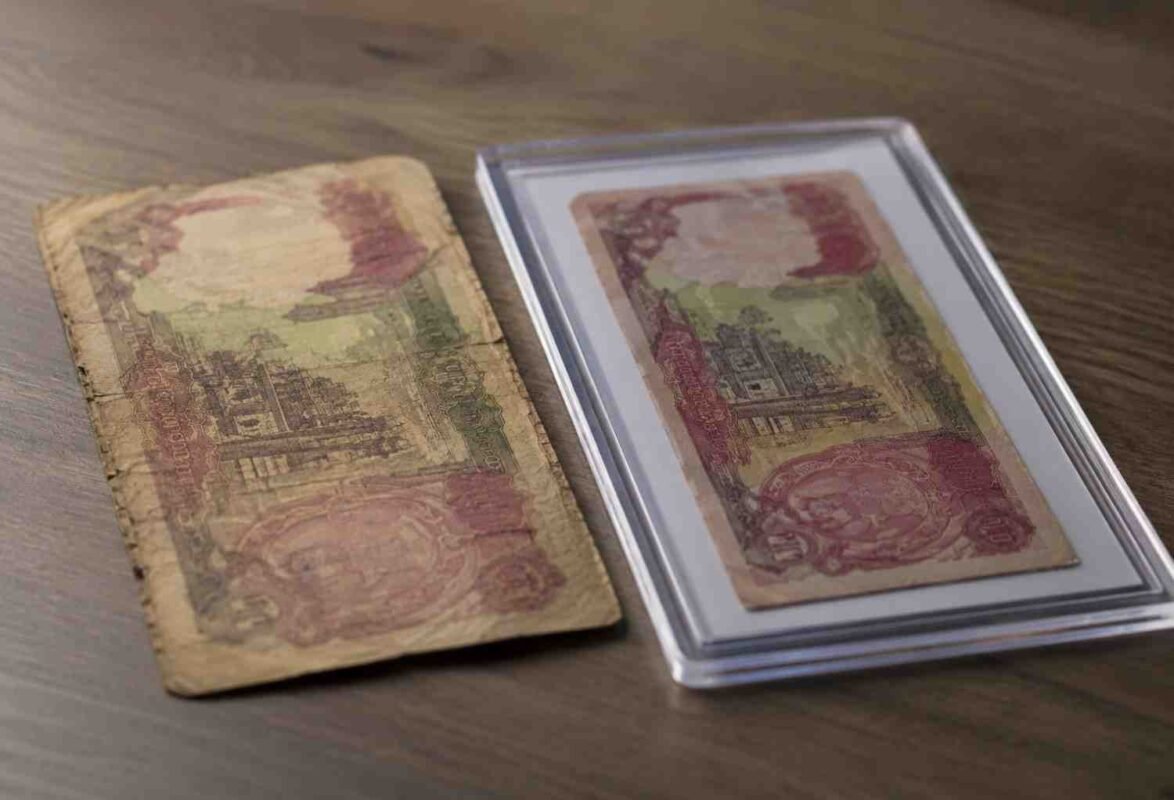
- Maintain Archival Storage: Keep uncirculated paper bills inside protective currency sleeves. Hence, you preserve crisp paper fibers against environmental wear.
Ultimately, working with a compliant distributor provides genuine banknotes that follow United States operational guidelines.
Frequently Asked Questions
What are the US Treasury rules on Iraqi Dinar ownership?
United States federal rules permit private residents to legally buy and own physical Iraqi Dinar paper notes. People may hold them for personal collections, educational study or travel. Meanwhile, federal oversight focuses on merchant registration rather than restricting personal banknote collectors.
Does the US Department of the Treasury sell foreign paper currency to consumers?
No, the US Treasury does not sell or distribute foreign banknotes to the public. Instead, its role is strictly to supervise commercial compliance and enforce anti fraud regulations.
What is a Money Services Business under federal law?
A Money Services Business is an official regulatory category supervised by FinCEN. Businesses handling significant volumes of foreign paper currency distribution must register under this category. Furthermore, they must follow federal auditing rules.
Why does the New York Federal Reserve monitor Iraqi cash disbursements?
Iraq’s international oil earnings collect in US Dollars through accounts at the New York Fed. Therefore, federal authorities review disbursements to confirm lawful trade and prevent unauthorized cross border diversions.
How can a collector ensure a banknote merchant follows US regulations?
A reputable merchant maintains active registration with federal compliance registries. Additionally, they provide encrypted payment systems, tracked delivery and authenticity certificates for every banknote.