Blog
Iraqi Dinar vs. Other Historical Currency Notes: What Makes IQD Different

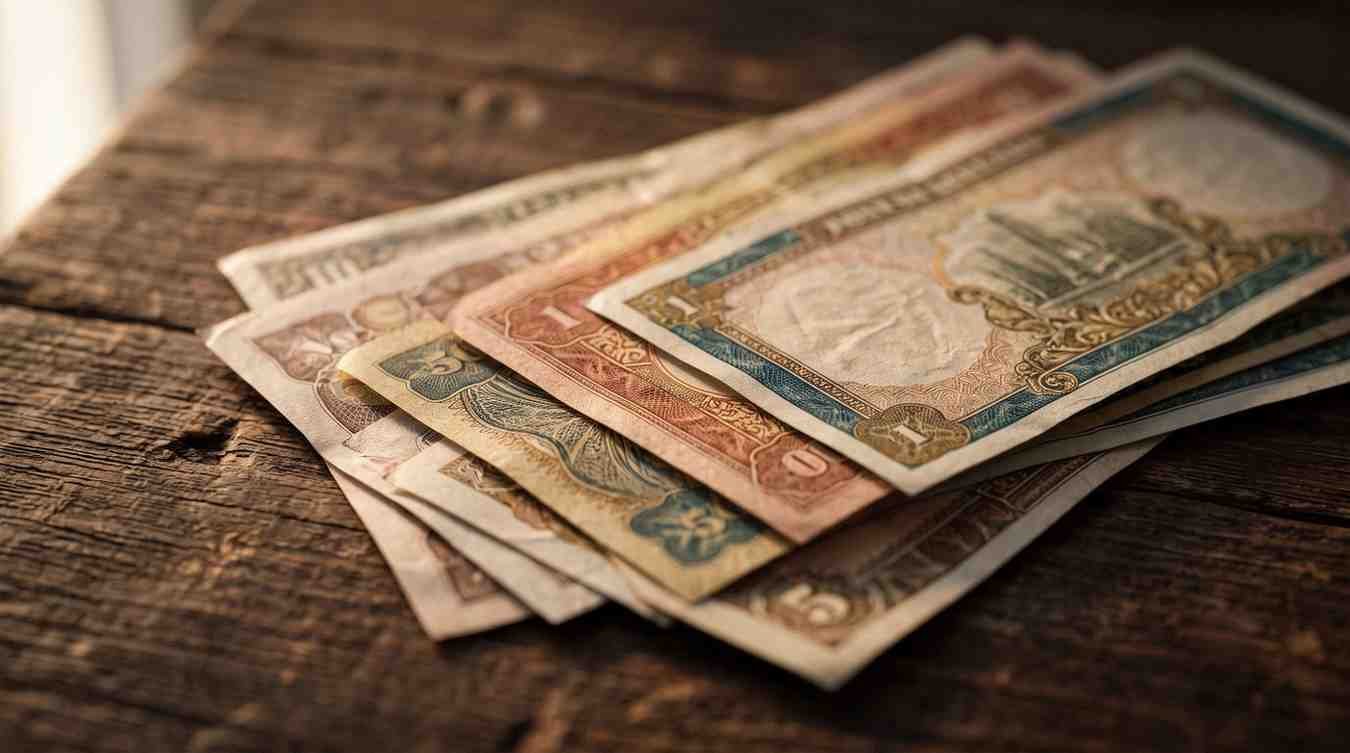
Banknote collectors and first time buyers often compare the Iraqi dinar to other well known world currencies before they decide to buy Iraqi dinar. It is a fair question. Paper money from Zimbabwe, Vietnam and older regimes all carry their own stories, but the Iraqi dinar stands apart for reasons that go beyond design. Below is a fact based look at how IQD compares to other historical notes and what actually makes it different.
The 2003 Iraqi Dinar Series: A Clean Break From the Past
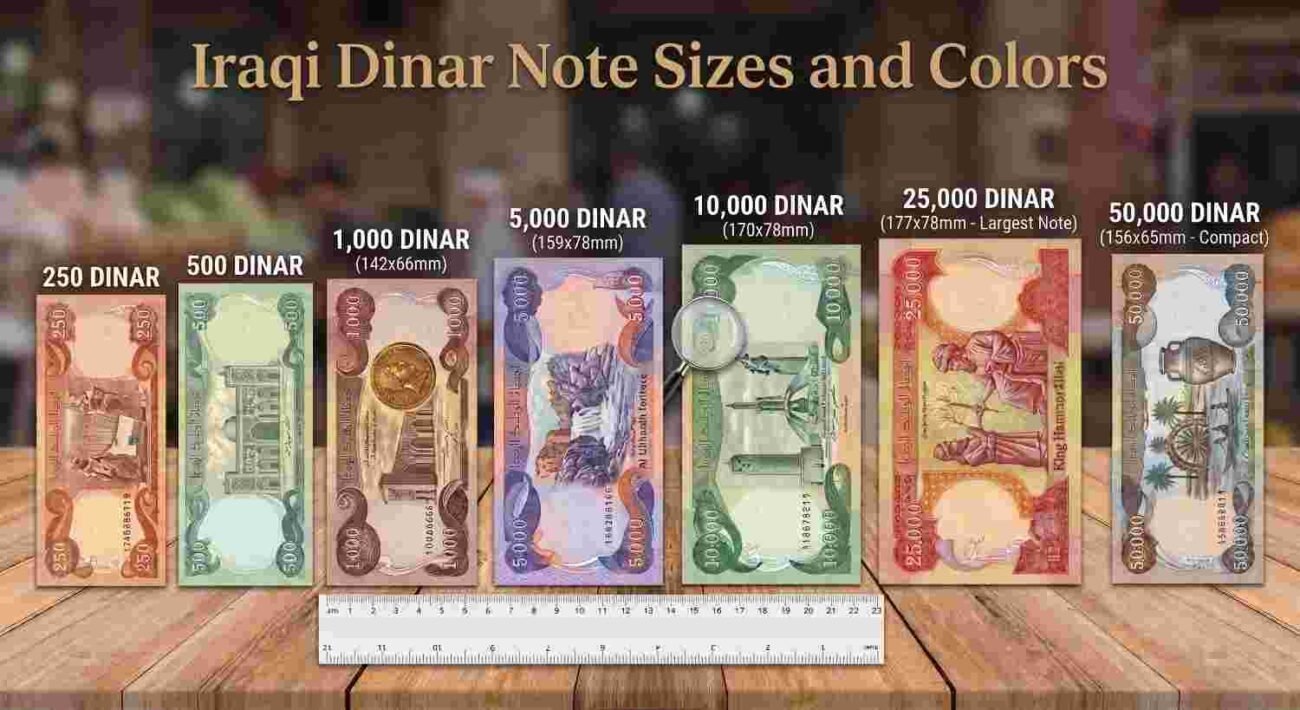
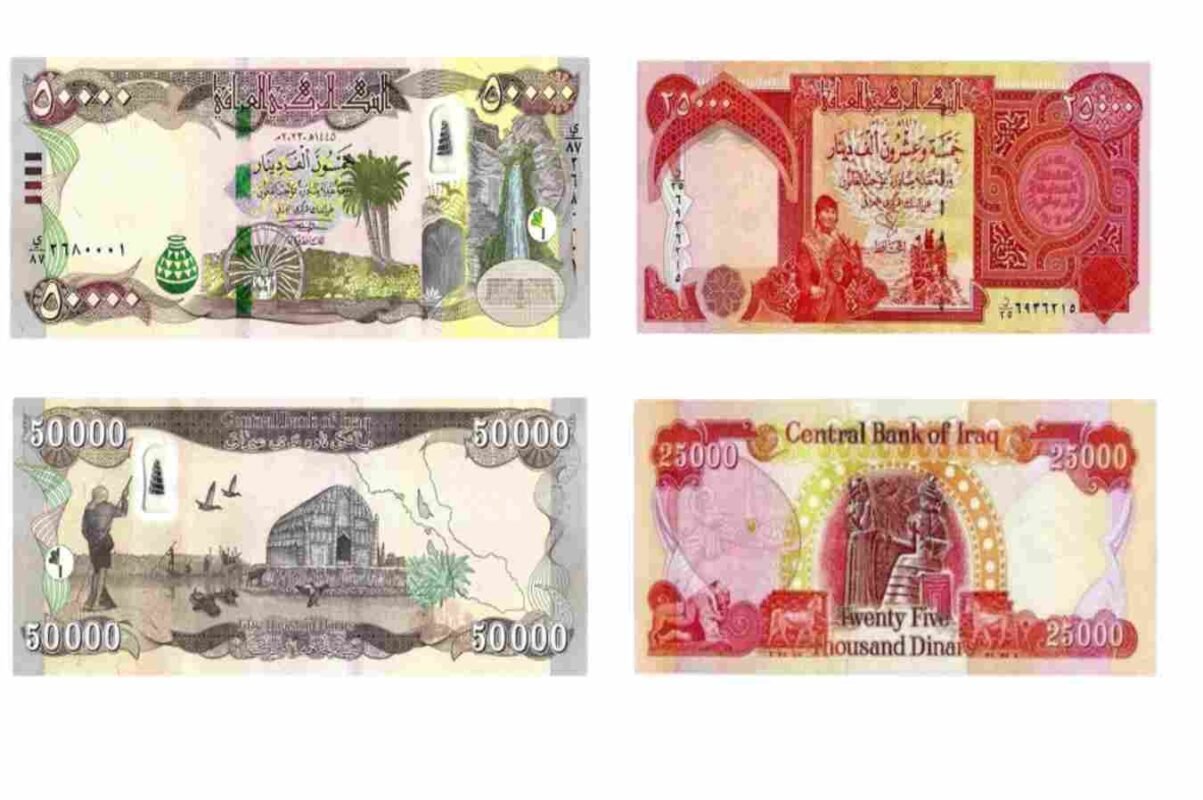
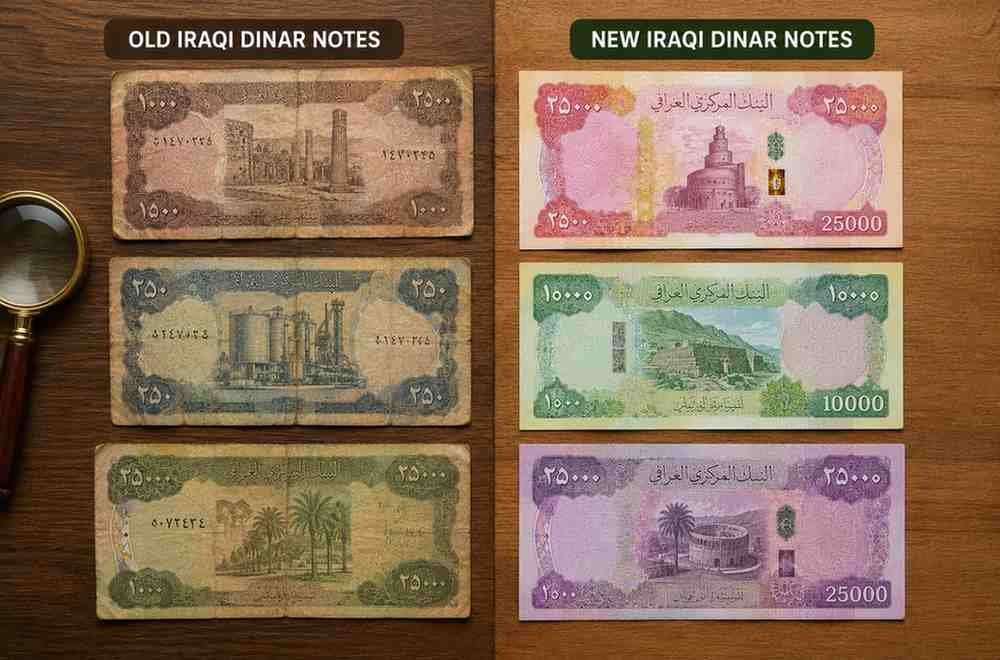
When the Coalition Provisional Authority introduced the new Iraqi dinar series in 2003, it replaced the old Saddam era notes with six denominations: 50, 250, 1,000, 5,000, 10,000 and 25,000 dinars. A 500 dinar note followed in October 2004 and the largest denomination in the series, the 50,000 dinar note, was not introduced until November 2015. In 2018 the Central Bank of Iraq updated the 250, 500, 1,000, 10,000 and 25,000 dinar notes with stronger security printing.
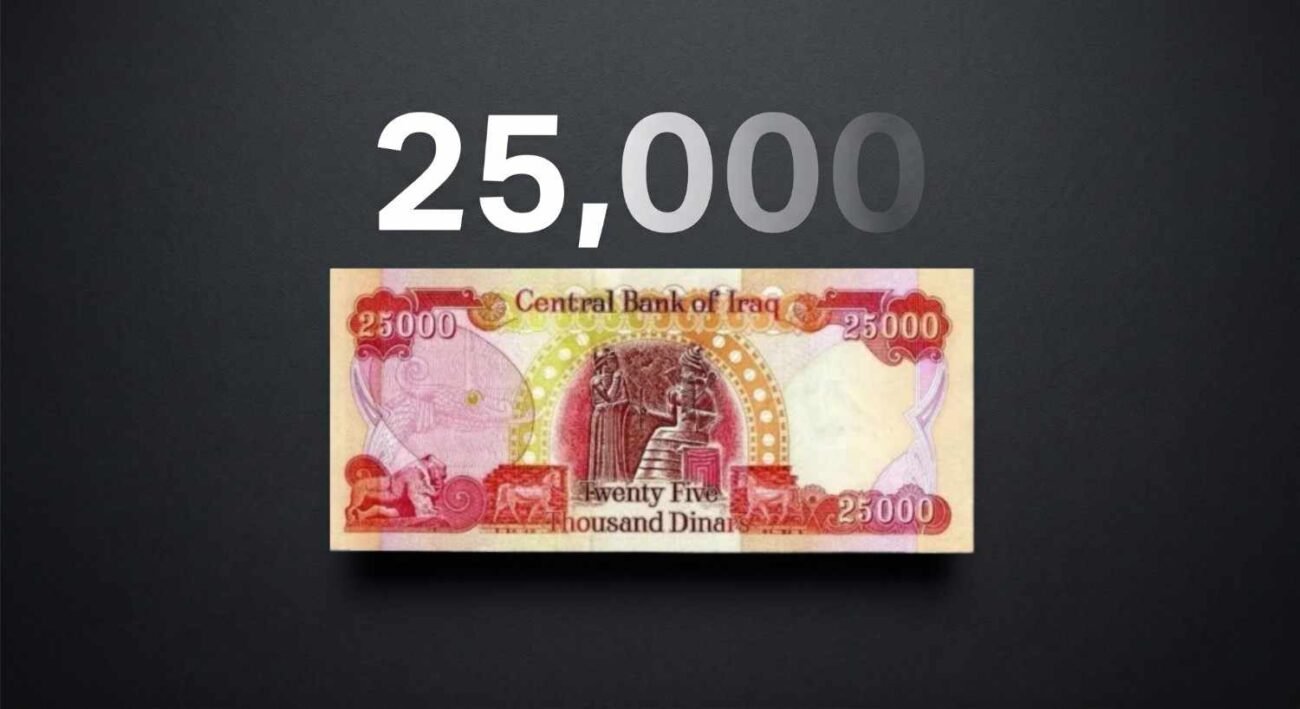
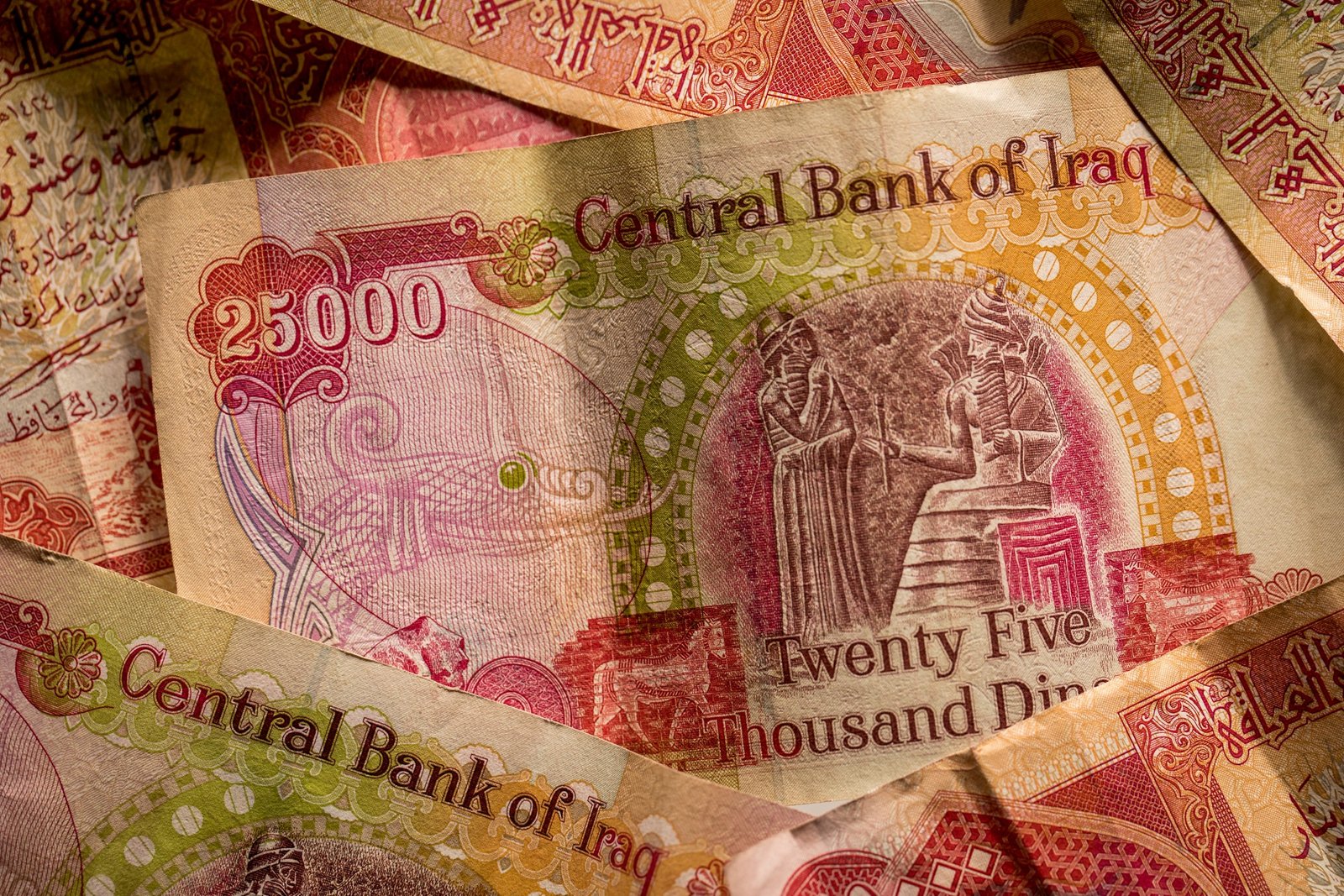
What separates the 2003 series from almost every other reissued currency in the world is the imagery. The redesign deliberately removed all political portraits. In their place, the notes carry scenes from Iraq’s history spanning thousands of years, from the Code of Hammurabi depicted on the 25,000 dinar note to the Great Mosque of Samarra and the water wheels of the Euphrates. Few national currencies attempt to tell a multi millennia story on a single note the way the Iraqi dinar does.
If you want to see this design series firsthand, you can buy Iraqi dinar directly from our catalog of authenticated notes.
Zimbabwe: A Currency That No Longer Exists
The Zimbabwean dollar is one of the most cited comparisons in dinar discussions, but the comparison actually highlights how different the two currencies are. Zimbabwe’s 100 trillion dollar note, issued by the Reserve Bank of Zimbabwe in 2008, became the largest denomination banknote ever officially issued by a government. It was a product of monthly price increases that reached an estimated 7.6 billion percent at the height of the crisis, according to the Smithsonian’s National Museum of American History.
By early 2009, the Zimbabwean dollar was withdrawn entirely and the country adopted foreign currencies for daily transactions. Zimbabwe still has no national currency of its own today. That is the core difference: the 100 trillion dollar note is a dead currency, valuable to collectors purely as a historical artifact, while the Iraqi dinar remains an active legal tender issued and managed by a functioning central bank in Baghdad.
Vietnam: A Currency Still in Circulation, But Structured Differently
The Vietnamese dong offers a closer comparison to IQD because it is also a currently circulating currency. The State Bank of Vietnam introduced polymer banknotes starting in 2003 and today’s denominations range from 1,000 to 500,000 dong, printed on a mix of cotton paper for small values and polymer for larger ones. Vietnam has managed its currency through periodic devaluations rather than full withdrawal, including a documented 2.98 percent devaluation against the US dollar in November 2022.
The dong shows that a country can manage a high denomination currency without total collapse, but it also shows a pattern of gradual devaluation rather than the stability the Central Bank of Iraq has aimed for with the 2003 series. Iraq’s dinar has held a relatively steady official rate for years under central bank oversight, which is a meaningfully different monetary path than either Zimbabwe’s collapse or Vietnam’s ongoing adjustments.
What Actually Makes the Iraqi Dinar Different
Putting these comparisons together, a few facts stand out for anyone who wants to purchase Iraqi dinar:
- It is active legal tender. Unlike the Zimbabwean dollar, IQD is printed, circulated and regulated today by the Central Bank of Iraq.
- The design is deliberately non political. The 2003 series replaced portraiture with cultural and historical landmarks, a choice few other reissued currencies have made so completely.
- Security features are layered and modern. Genuine notes include a watermark of a horse head, a security thread with demetalized Arabic text, raised intaglio printing and on newer notes a color shifting thread with a spiral image of the Malwiya Tower in Samarra.
- The note range spans a real economy. From the 250 dinar note up to the 50,000 dinar note introduced in 2015, the series was built for actual day to day use in Iraq, not simply as a novelty.
- History is embedded in the design. The 25,000 dinar note reproduces part of the Code of Hammurabi stele, connecting a modern banknote to a legal text roughly 3,800 years old.
How to Verify a Genuine Note Before You Buy
Because interest in Iraqi currency has grown, buyers should know what to check before they purchase Iraqi dinar from any seller:
- Hold the note to light and confirm the horse head watermark appears clearly.
- Check the security thread for demetalized Arabic text rather than a printed imitation.
- Feel for raised print on the Arabic script and central imagery, a result of intaglio printing.
- On 2018 series notes, look for the color shifting thread near the portrait side.
- Compare serial number formatting and font against a known genuine reference note.
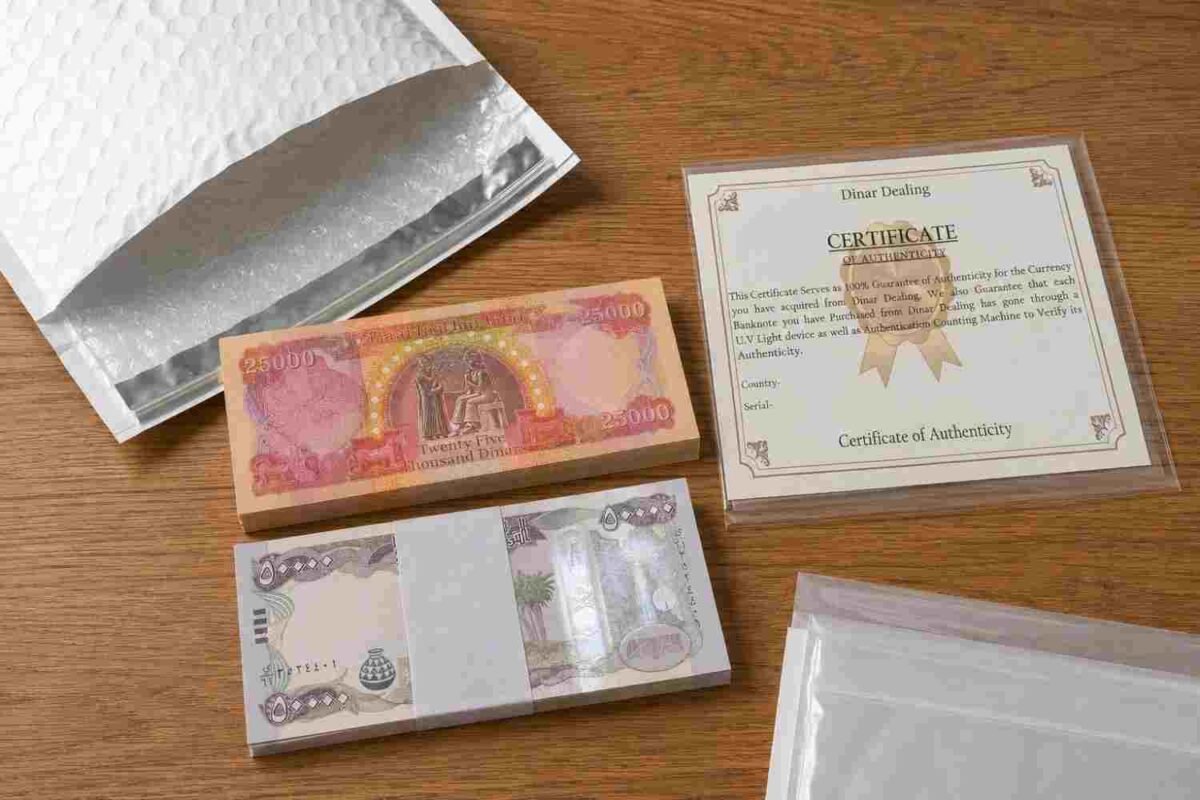
Sellers who cannot explain these details or who rush a sale, are a signal to walk away. If you are looking for Iraqi dinar for sale from a source that documents authentication on every note, our team verifies these exact features before any note ships.
Buying Iraqi Dinar Banknotes Online
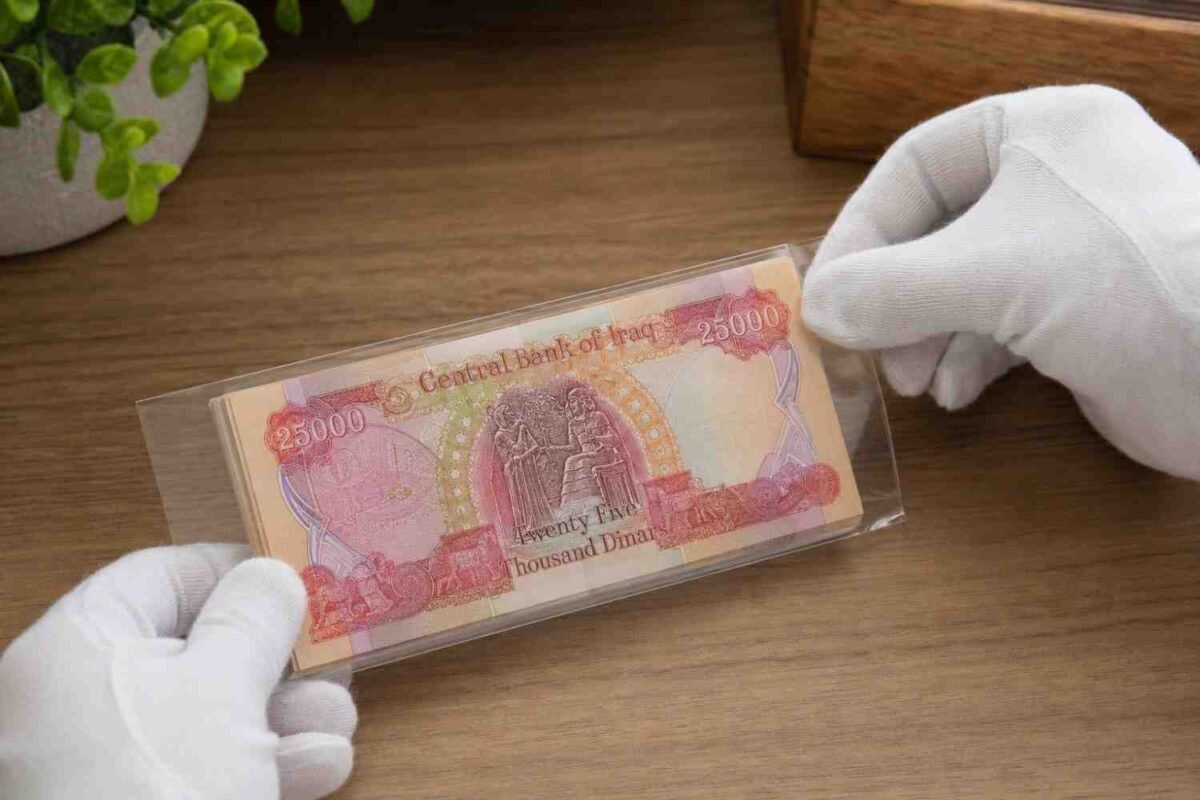
Whether you are drawn to the history behind the design or simply want an authenticated set of notes for a collection, the process to buy Iraqi dinar online should always include a clear chain of authentication. We list current denominations, including uncirculated notes, in our Iraqi dinar product category so buyers can compare condition and denomination before they order.
Frequently Asked Questions
Is the Iraqi dinar still printed and circulated today?
Yes. The Central Bank of Iraq continues to issue and manage the dinar, most recently updating five denominations in 2018.
Why does the Iraqi dinar avoid political figures on its notes?
The 2003 redesign was a deliberate decision to move away from the portraiture used under the prior government and instead unify the country around shared cultural and historical imagery.
How is the Iraqi dinar different from the Zimbabwean dollar?
The Zimbabwean dollar was withdrawn from circulation in 2009 and no longer functions as a currency. The Iraqi dinar remains an active legal tender issued by a functioning central bank.
What is the largest Iraqi dinar denomination?
The 50,000 dinar note, introduced in November 2015, is currently the largest denomination in circulation.
Where can I purchase Iraqi dinar banknotes online safely?
Look for a seller that documents security feature verification for every note. You can browse authenticated notes in our Iraqi dinar collection.