Blog
Old vs. New Iraqi Dinar Notes: Key Differences Every Buyer Should Know

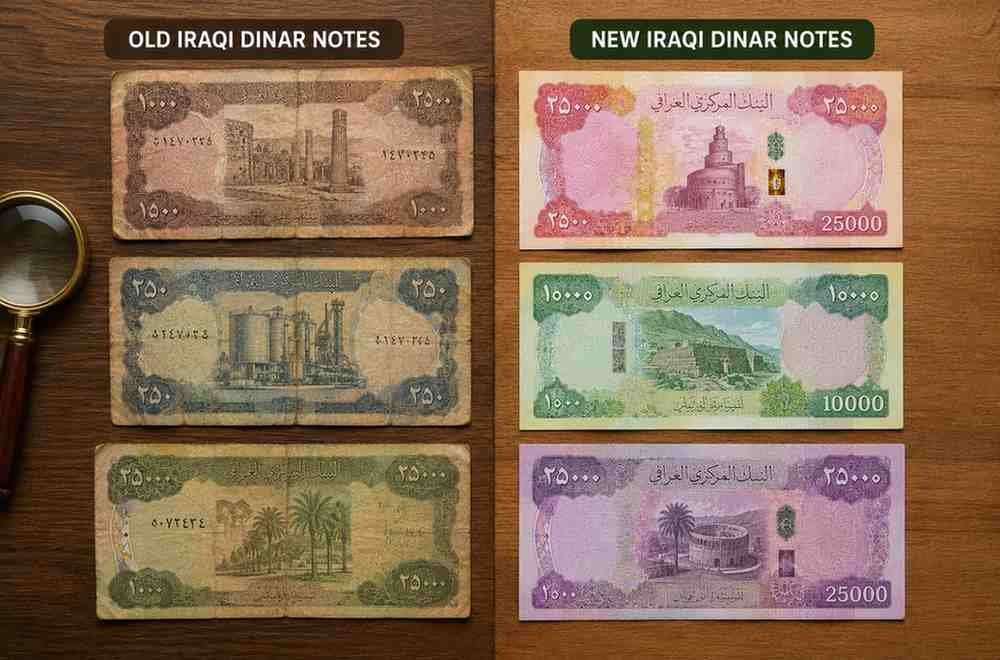
If you’ve searched for Iraqi dinar for sale, you’ve probably noticed sellers listing notes from two very different eras: pre-2003 “Saddam era” dinar and the post 2003 modern series that circulates in Iraq today. These aren’t just two designs of the same note, they’re two separate currencies with different printers, different security standards and different collector value. Confusing the two or not knowing which one a listing actually contains, is one of the most common mistakes new buyers make.
This guide breaks down exactly what separates old Iraqi dinar notes from new ones, denomination by denomination, feature by feature, so you know precisely what you’re looking at before you buy iraqi dinar online.
The Two Eras of Iraqi Dinar Explained
Pre-2003: The Saddam Era Dinar
Iraqi banknotes issued between 1990 and October 2003 carried a portrait of Saddam Hussein and were produced under difficult conditions. Following the 1991 Gulf War, international sanctions cut Iraq off from its usual UK based printer, so the Central Bank of Iraq began producing notes domestically and in China using low grade wood pulp paper rather than the cotton linen blend used in higher quality currency. The print quality suffered noticeably; some notes were poorly cut and a number of them were even issued without serial numbers.
Because runaway inflation had destroyed the currency’s usability, the largest denomination available for years was the 250 dinar note. A 10,000 dinar note was introduced in 2002 for larger transactions, but it saw little real world use because people distrusted its size and worried about counterfeiting.
A separate note family from this same general period is what collectors call the “Swiss dinar” notes printed in the UK by De La Rue before the 1991 Gulf War, using higher quality materials than anything produced afterward. These circulated mainly in Iraq’s Kurdish north and, unlike the Saddam era notes, held their value rather than collapsing.
Post-2003: The Modern Series
Between October 15, 2003 and January 15, 2004, the Coalition Provisional Authority introduced an entirely new note series, printed by De La Rue (UK) and later joined by Giesecke+Devrient (Germany) two of the most established banknote security printers in the world. Saddam-era notes were swapped for the new currency at a 1:1 rate, while the older “Swiss dinar” notes were converted at a rate of 1 Swiss dinar to 150 new dinars.
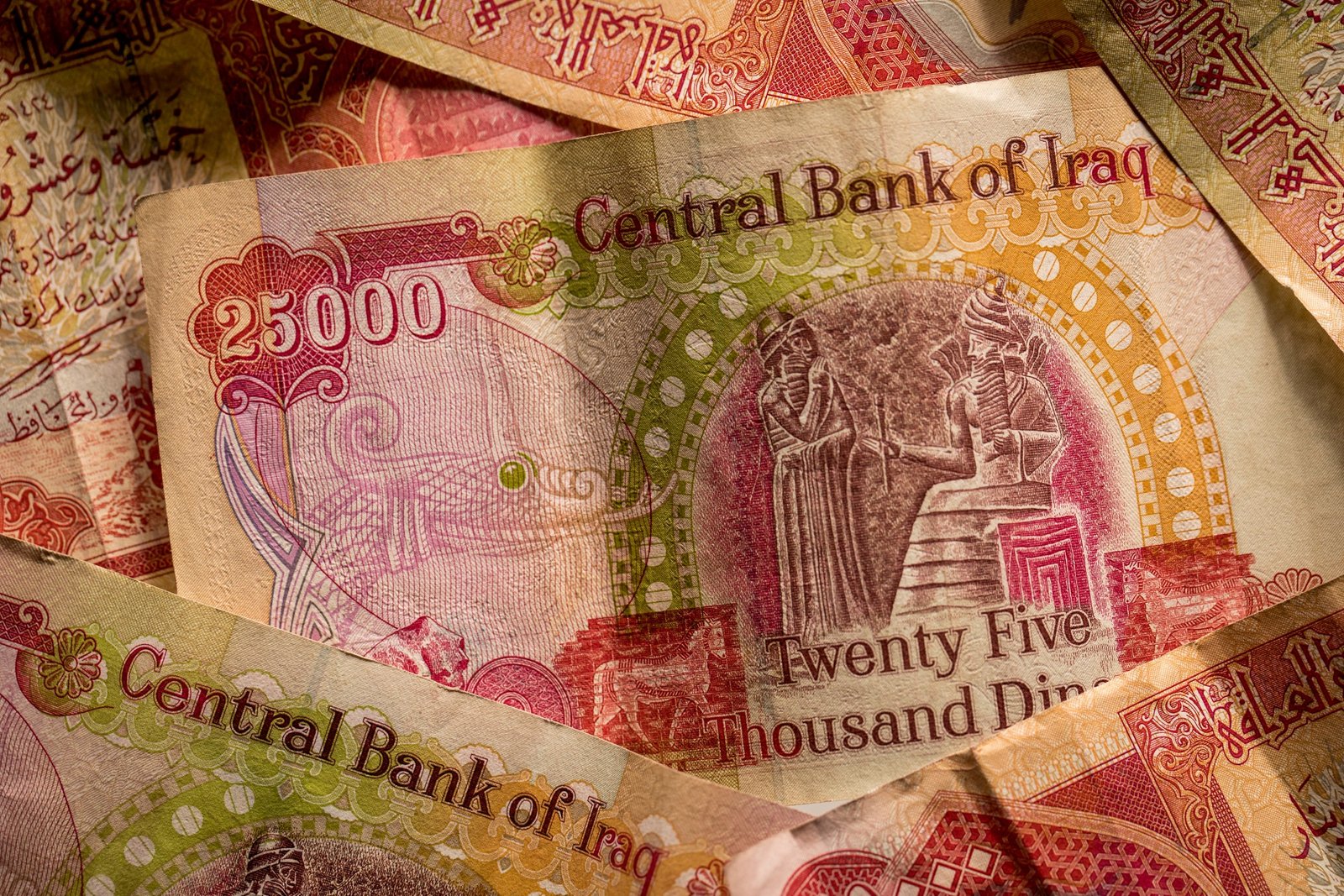
The new series made a deliberate design choice: no political portraits. Instead, each denomination features cultural landmarks, historical Mesopotamian imagery and natural scenery, from the Code of Hammurabi to the Great Mosque of Samarra. This is the series that continues to circulate in Iraq today and it’s the version most buyers mean when they buy iraqi dinar banknotes online for collecting purposes.
Denomination by Denomination Differences
The two eras don’t even share the same set of denominations. Here’s how they compare:
| Era | Denominations Issued |
| Pre 1991 (“Swiss” printing) | ¼, ½, 1, 5, 10, 25, 100 dinars |
| 1990-2003 (Saddam era, domestic/China printing) | 25, 50, 100, 250, 10,000 dinars |
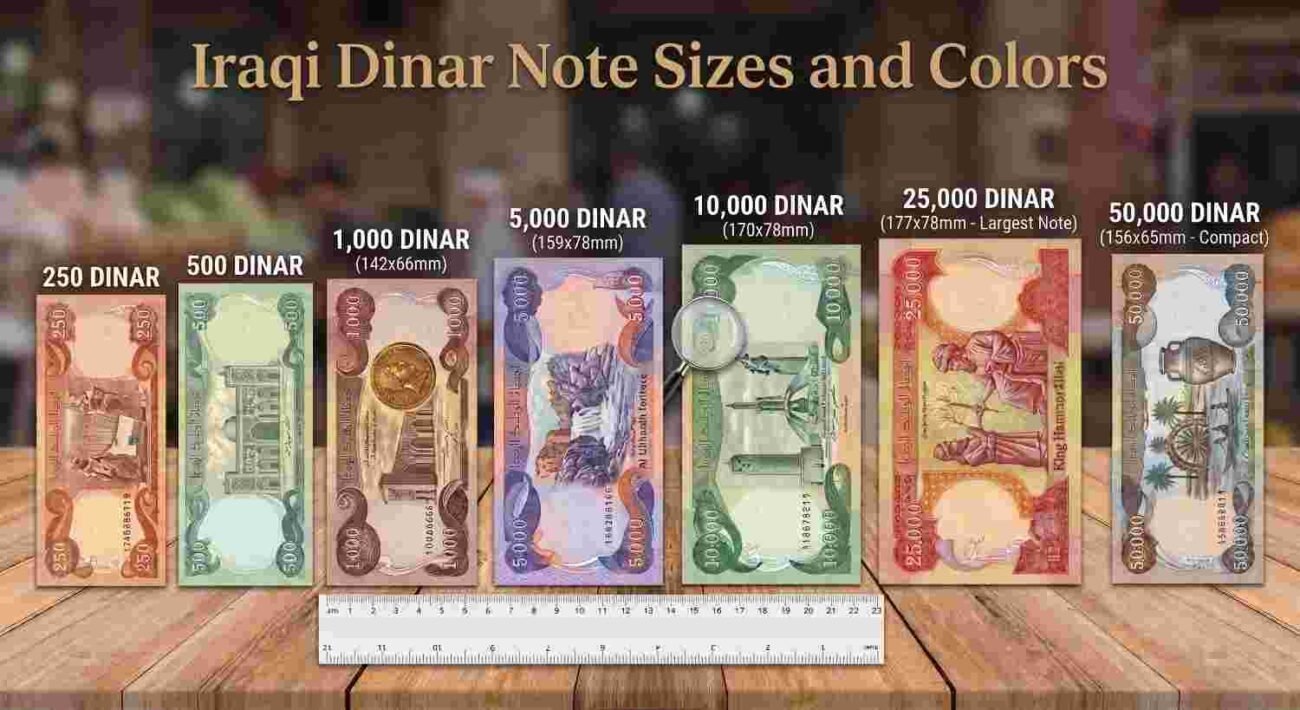
| 2003 launch (modern series) | 50, 250, 1,000, 5,000, 10,000, 25,000 dinars |
| 2004 addition | 500 dinars |
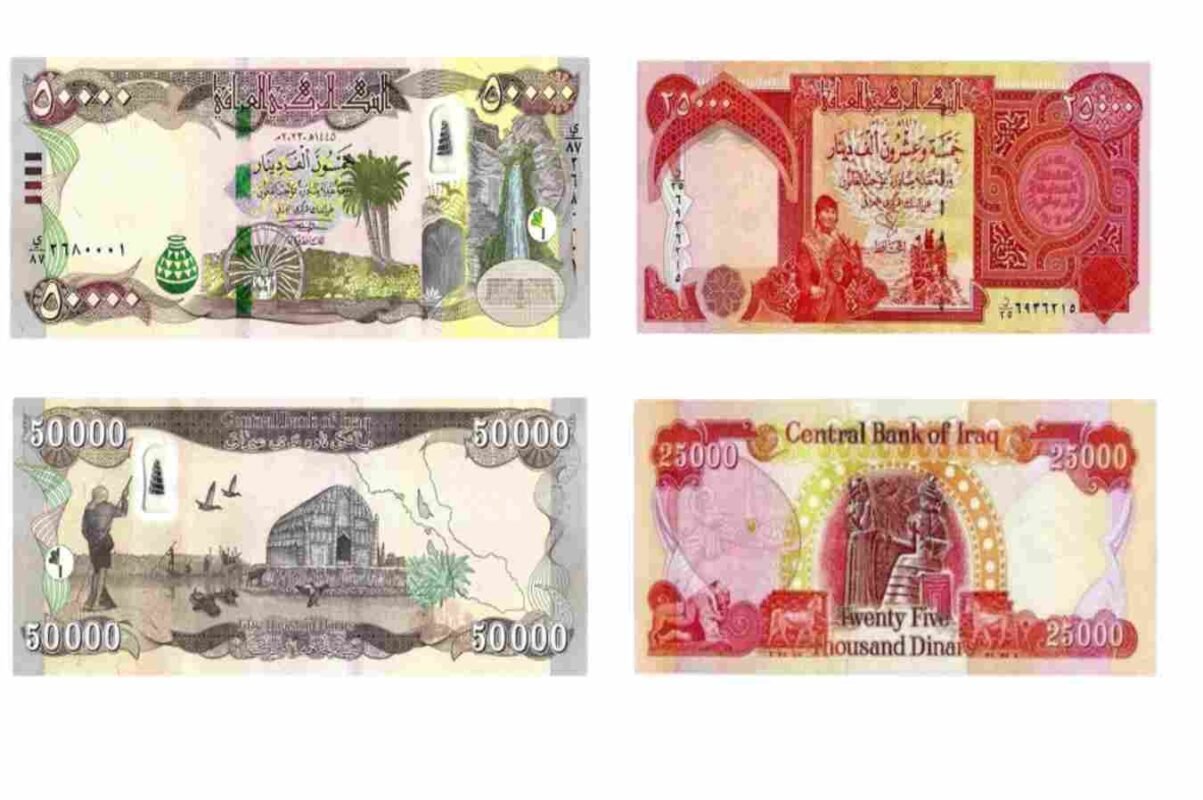
| 2015 addition | 50,000 dinars (largest ever issued, first new denomination since 2003) |
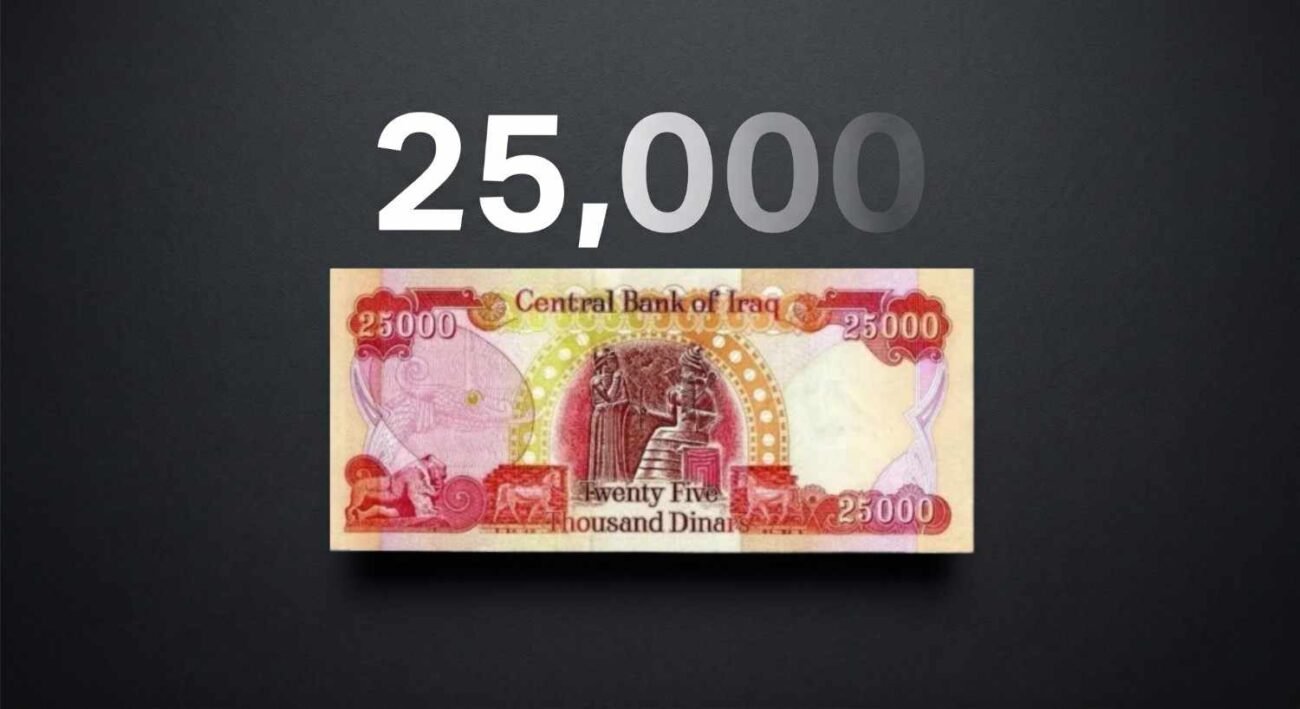
Two details matter here for buyers. First, the modern series introduced the 25,000 dinar note, a denomination that didn’t exist under the old system at all, which is why it’s now one of the most requested notes among people looking to buy 25000 iraqi dinar banknote listings. Second, the 50 dinar note from the 2003 series was discontinued in April 2015 and never actually circulated in Iraq’s Kurdish region, so its availability is more limited than other denominations.
Security Features: A Generational Gap
This is where the difference between old and new notes is most dramatic and most relevant if you’re buying for verification purposes rather than just design.
Old (Saddam era) notes had minimal security engineering by comparison, a product of sanctions era printing constraints rather than an intentional design gap. Print inconsistency was common and counterfeiting protections were basic at best.
New (post 2003) notes were built around modern anti-forgery engineering from the start:
- A security thread running through the paper
- Metallic, color shifting ink on the denomination numerals
- A horse head watermark (a purebred Arabian horse) visible when held to light
- Ultraviolet reactive elements that glow under UV light
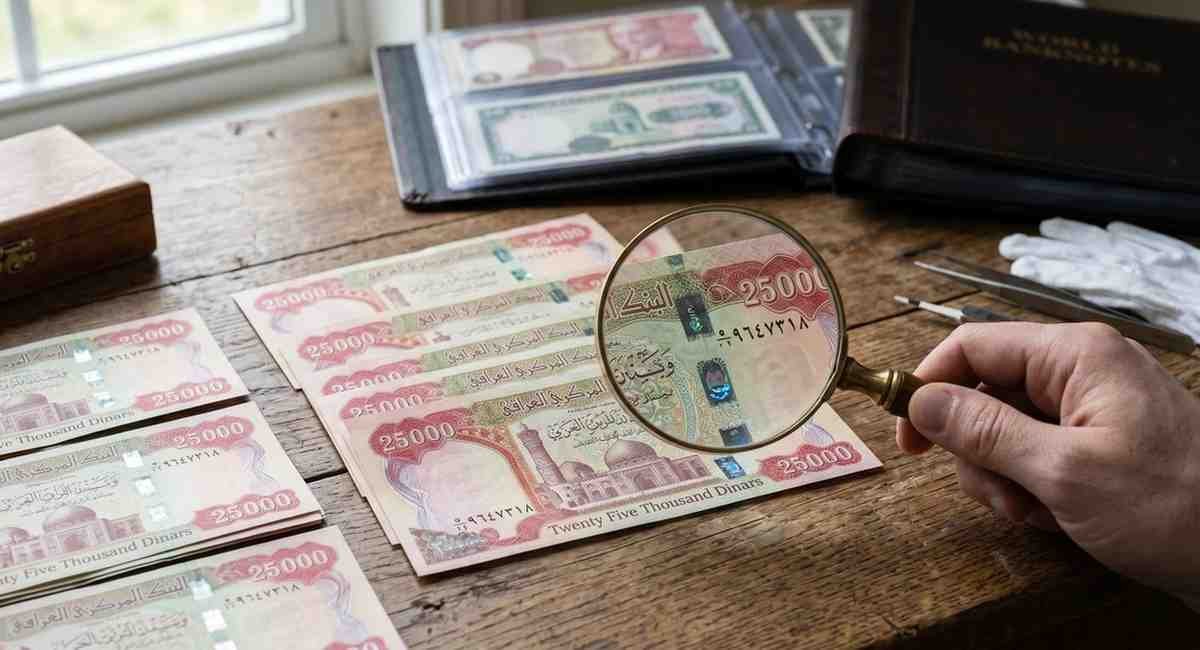
In March 2014, the Central Bank of Iraq went further and began issuing enhanced versions of existing denominations with SPARK optical security features, a scanner readable security thread and braille style embossing for vision-impaired users. Then in 2018, the CBI released redesigned 25,000, 10,000, 1,000, 500 and 250 dinar notes with updated imagery and refreshed security elements, meaning even within the “new” series, there are now sub versions with different features depending on the print year.
If you’re buying an uncirculated note and want to buy uncirculated iraqi dinar with confidence, checking which print generation a note belongs to (pre-2014, 2014 SPARK series or 2018 redesign) is just as important as confirming it’s post 2003 rather than Saddam era.
Design and Imagery: What Changed and Why
The most visible difference between the two eras isn’t the security features, it’s what’s printed on the note itself.
Saddam era notes centered political imagery: the presidential portrait appeared on nearly every denomination issued after 1990. The modern series removed this entirely and replaced it with a deliberate cultural narrative. A few examples from the current lineup:
- The 250 dinar note features an astrolabe, a medieval astronomical instrument refined by Islamic scholars
- The 500 dinar note depicts a Sumerian Lamassu, a winged guardian figure from Mesopotamian mythology
- The 1,000 dinar note showcases Baghdad’s historic al Mustansiriya School
- The 5,000 dinar note includes the Gali Ali Beg Waterfall in the Kurdistan region
- The 25,000 dinar note carries Quranic script alongside its central imagery, which remained even after the 2018 redesign
All post-2003 notes also carry text in both Arabic and Kurdish, reflecting Iraq’s linguistic diversity, a feature entirely absent from the Saddam era series.
How to Tell Old and New Notes Apart at a Glance
For anyone new to buying Iraqi currency, four quick checks separate the two eras almost instantly:
- Portrait check: If there’s a portrait of a person resembling Saddam Hussein, it’s pre 2003.
- Language check: Post 2003 notes carry both Arabic and Kurdish text; older notes do not.
- Watermark check: Hold the note to light. The horse head watermark only appears on the modern series.
- Paper quality check: Saddam era notes, especially those printed after 1991, tend to feel thinner and less consistent due to the wood pulp paper used under sanctions.
Bundle and Order Sizes Buyers Commonly Ask About
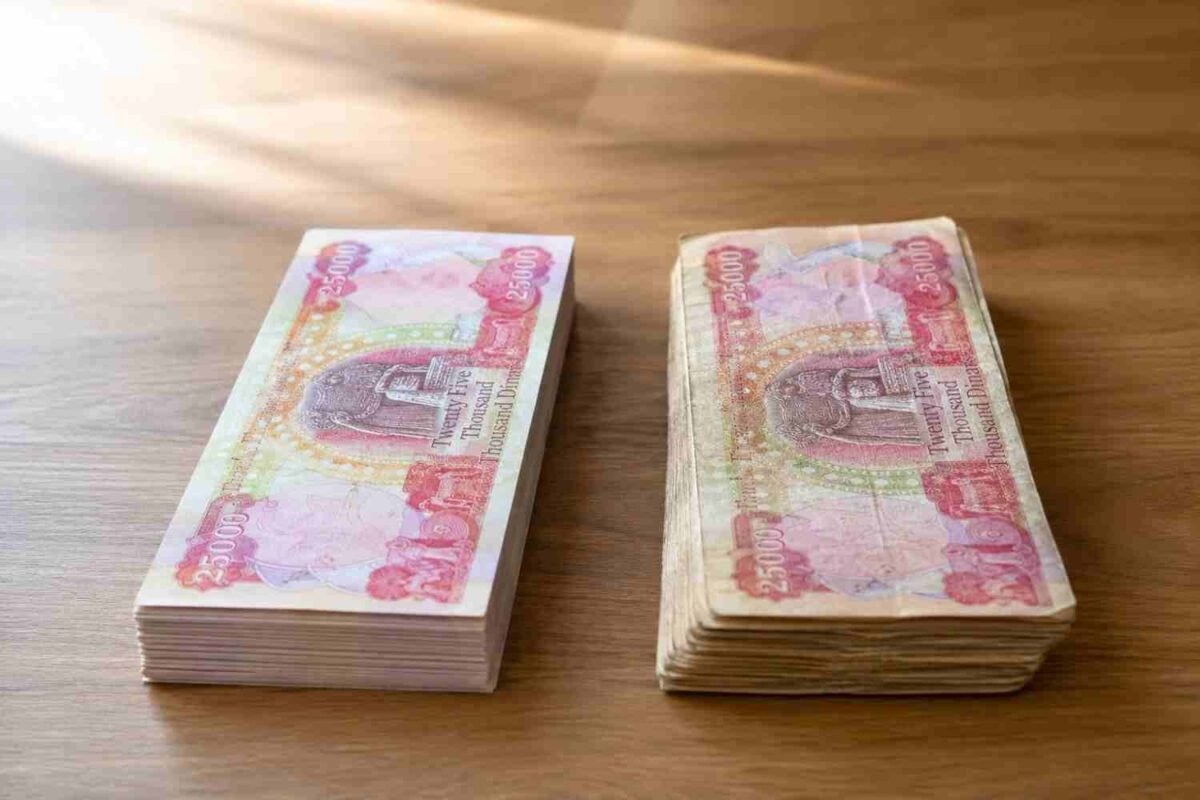
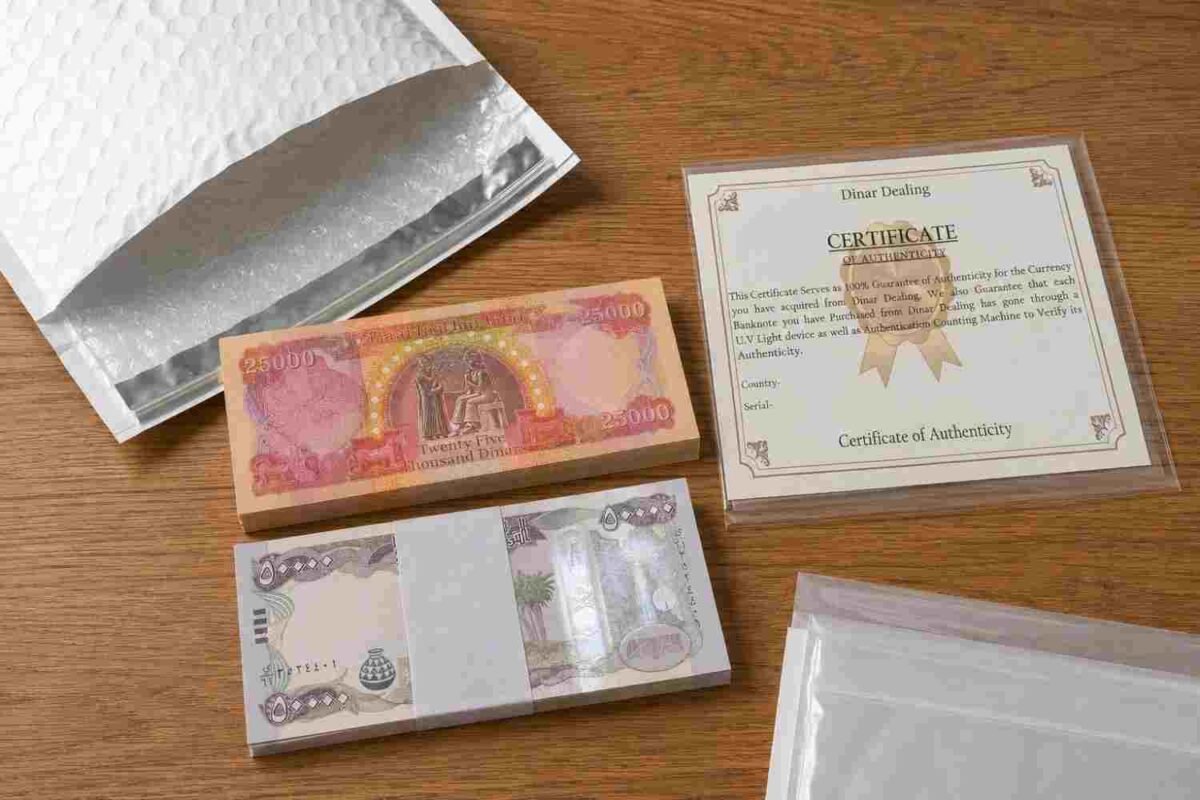
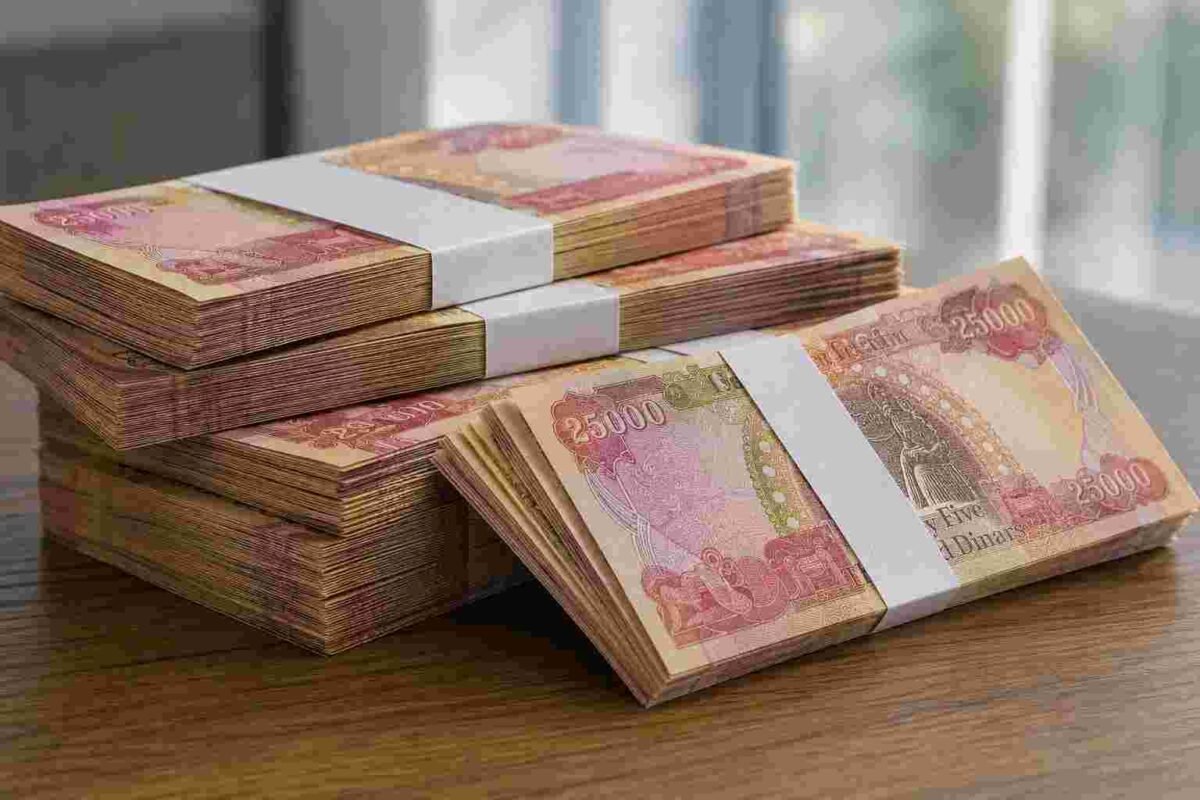
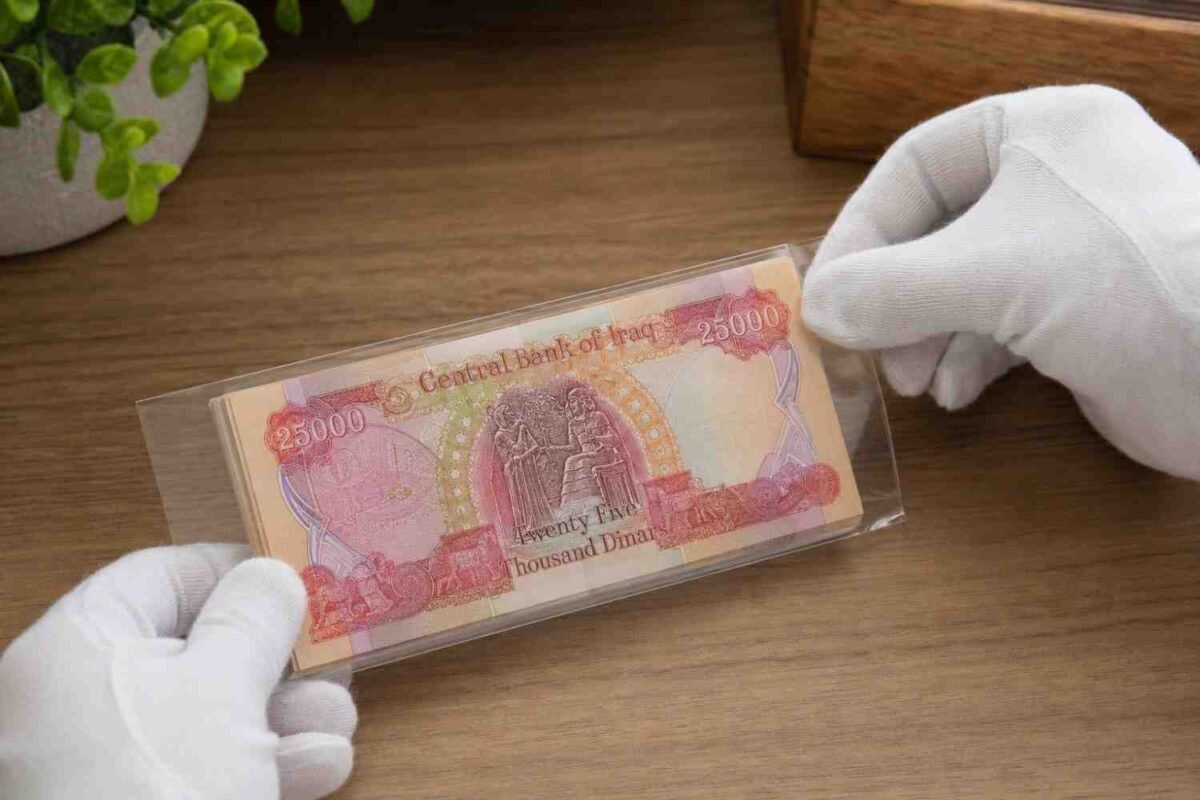
Because the 25,000 dinar note is the most issued high value denomination in the modern series, dealers typically package it in fixed bundle sizes rather than selling loose notes for larger orders. A common structure looks like this:
- A single 25,000 dinar note
- A bundle of ten notes, totaling 250000 iraqi dinar
- A bundle of twenty notes, totaling 500000 iraqi dinar
Knowing this bundle structure matters when comparing dinar for sale listings, since price per note can vary depending on whether a seller is quoting a single banknote or a pre-counted bundle. Always confirm whether a listed price refers to one note or a bundle total before comparing sellers.
Old vs. New: Quick Comparison Table
| Feature | Old (Pre-2003) | New (Post-2003) |
| Portrait | Saddam Hussein (1990-2003 issues) | None – cultural/historical imagery only |
| Languages on note | Arabic only | Arabic and Kurdish |
| Printer | Domestic/China (post-1991); UK pre-1991 | De La Rue (UK) and Giesecke+Devrient (Germany) |
| Paper quality | Inconsistent, wood-pulp based (post-1991) | Cotton linen blend, consistent |
| Security thread | Minimal or absent | Yes, plus 2014 SPARK upgrade |
| Watermark | Not standardized | Purebred Arabian horse head |
| UV features | None | Yes |
| Largest denomination | 10,000 (introduced 2002, rarely used) | 50,000 (introduced 2015) |
| Still legal tender in Iraq | No | Yes |
Frequently Asked Questions
Is the old Iraqi dinar worth more than the new Iraqi dinar?
Value depends on condition, denomination and demand among collectors rather than age alone. Old Saddam era notes are no longer legal tender in Iraq and are collected purely as historical pieces, while new series notes remain in active circulation.
Can I still use old Iraqi dinar notes in Iraq?
No. Saddam era and “Swiss dinar” notes were phased out between October 2003 and January 2004 and are not accepted as currency in Iraq today. Any note from that era functions strictly as a collectible.
How do I know if an Iraqi dinar note is uncirculated?
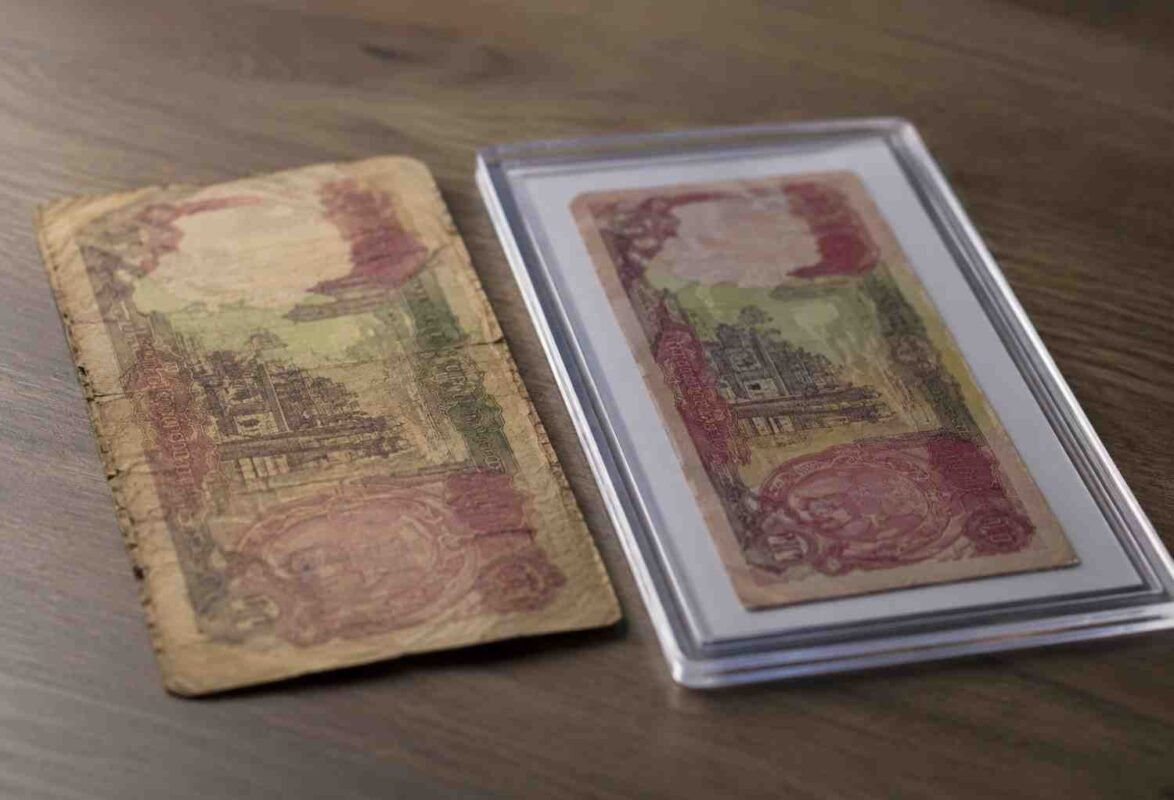
An uncirculated note shows no folds, creases, handling marks or wear and typically retains its original printing sheen. Sellers offering to buy uncirculated iraqi dinar listings should specify grading terminology (such as UNC) and provide clear, well lit photos of both sides.
What’s the difference between the 2003, 2014 and 2018 note designs?
The 2003 series established the base designs and denominations. The 2014 update added SPARK optical features, a scanner readable thread and braille embossing to existing denominations. The 2018 update redesigned select denominations’ imagery, most notably replacing text on the 1,000 dinar note with the Assyrian flag.
Why does the 25,000 dinar note come up so often when people buy Iraqi dinar?
It’s one of the highest and most widely issued denominations in the modern series, making it a common building block for bundle sizes like 250,000 and 500,000 dinar totals.
Final Takeaway
The difference between old and new Iraqi dinar notes isn’t cosmetic, it’s a difference in printer, paper, security engineering and legal status. Before you buy iraqi dinar banknotes online, confirm which era and print generation you’re getting, check for the horse head watermark and bilingual text that mark the modern series and ask sellers directly about grading if you’re purchasing uncirculated notes. Knowing these distinctions is the single best way to buy with confidence rather than guesswork.