Blog
How to Properly Store Your Iraqi Dinar Notes to Protect Their Value

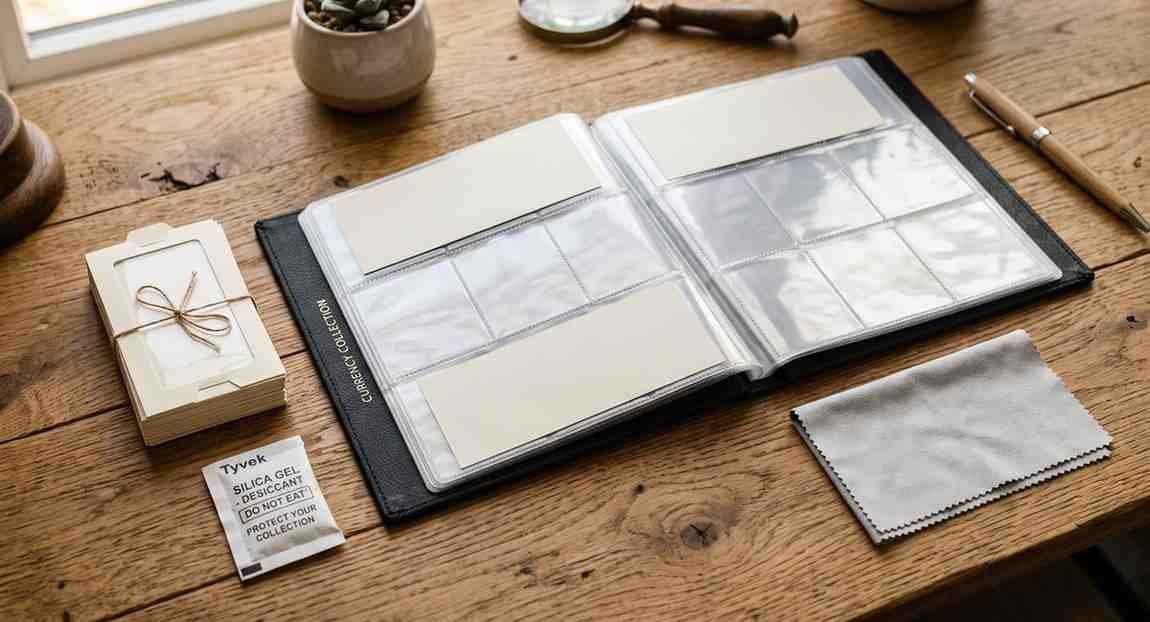
Iraqi Dinar notes should be stored flat, away from direct light, in a room with stable humidity between 35 and 55 percent, inside acid free or polyester (Mylar) holders that do not contain PVC. Notes should never be folded, stapled, clipped, laminated or exposed to direct sunlight, moisture or temperature swings, since all of these speed up paper degradation and ink fading.
Why Proper Storage of Iraqi Dinar Notes Matters
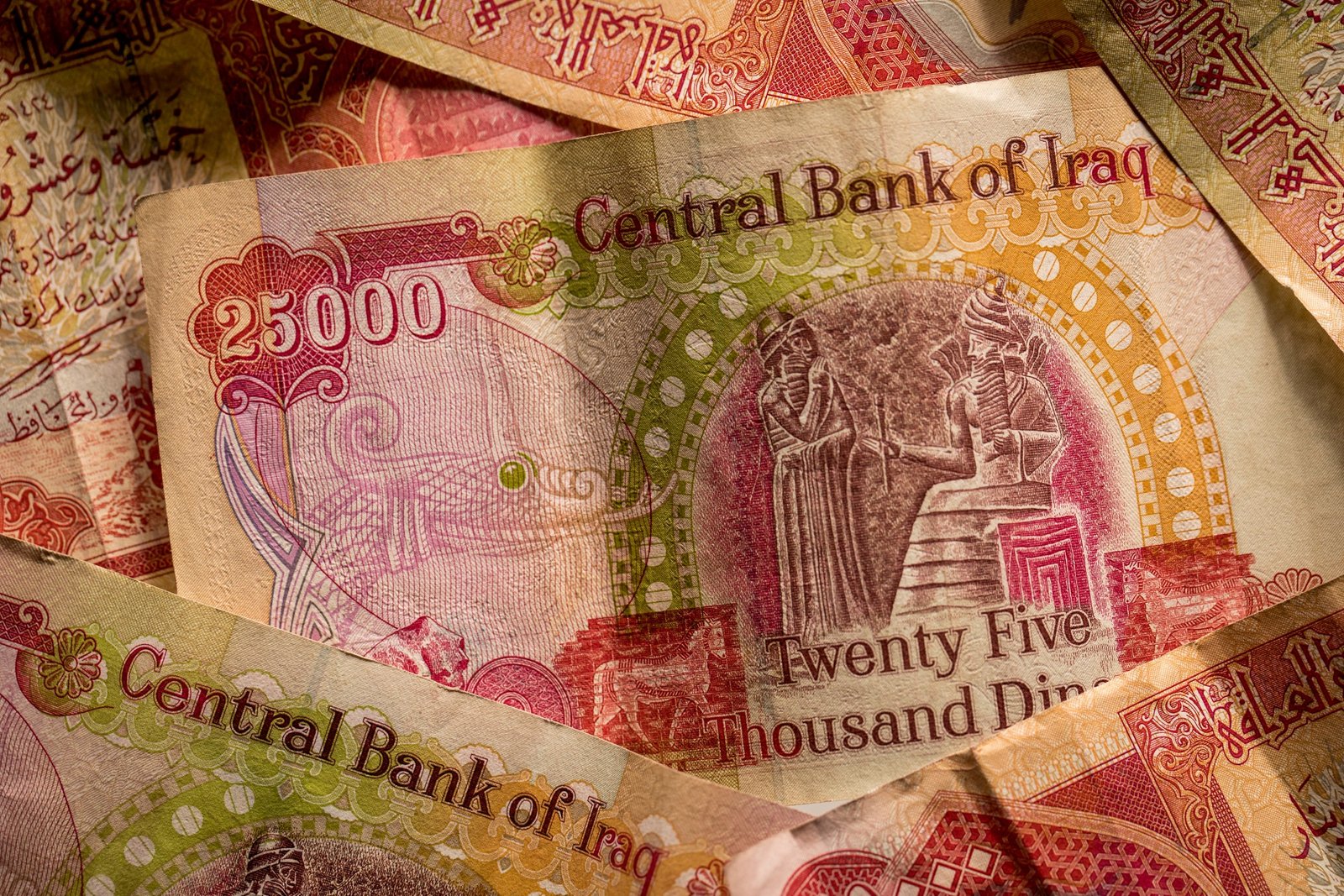
Iraqi Dinar notes are printed on a cotton and linen paper blend with multiple security features, including watermarks, security threads and color shifting ink. Like any paper currency, these notes are organic material. Cotton fiber paper reacts to moisture, light, heat and chemical exposure the same way older documents or archival paper does.
Once a note is discolored, creased, torn or chemically damaged, that damage is permanent. Proper storage does not add value to a note, but it prevents the loss of condition that a note already has, which is what collectors and note holders look for when grading currency.
Environmental Factors That Damage Paper Currency
1. Humidity
High humidity (above 60 percent) allows moisture to be absorbed into the paper fibers, which can cause:
- Warping and curling of the note
- Mold or mildew spots on the paper surface
- Ink smearing or bleeding
- A soft, weakened texture that tears more easily
Humidity below 30 percent can make the paper brittle, increasing the risk of cracking along fold lines. The safe range recommended by paper conservation standards is 35 to 55 percent relative humidity.
2. Temperature
Stable temperature matters more than a specific number. Repeated swings between hot and cold cause the paper to expand and contract, which weakens fiber bonds over time. A consistent range of 65 to 75°F (18 to 24°C) is standard for archival paper storage.
3. Light Exposure
Ultraviolet (UV) light from sunlight or fluorescent bulbs breaks down the dyes and inks used in printing. Prolonged light exposure causes:
- Fading of color and ink saturation
- Yellowing of the paper base
- Weakening of the paper’s surface coating
Notes should be kept in a dark or low light environment, such as a drawer, album or storage box, rather than displayed under direct light for long periods.
4. Air Quality
Airborne pollutants, smoke and chemical fumes (from cleaning products, tobacco or fresh paint) can settle on paper surfaces and cause discoloration over months or years. Storage areas should have clean, dry, stable air circulation.
Materials That Damage Iraqi Dinar Notes
Certain everyday household materials cause slow, irreversible damage:
| Material | Why It’s Harmful |
| PVC plastic sleeves | Releases plasticizer chemicals that stain and stick to paper over time |
| Rubber bands | Leaves oily residue and indentation marks; degrades and sticks to paper |
| Paper clips or staples | Creates rust stains, punctures and crease lines |
| Tape or adhesive labels | Leaves permanent residue and tears paper fibers on removal |
| Regular printer paper envelopes | Contains acid that yellows currency paper on contact over time |
| Lamination | Permanently seals in moisture and cannot be reversed |
Approved Materials for Storing Iraqi Dinar Notes
Mylar (Polyester) Currency Sleeves
Mylar, also called BoPET or polyester film, is chemically inert, meaning it does not react with paper or release harmful compounds. It is the standard material used by paper conservators and note holders for individual note protection.
Acid Free Currency Holders and Albums
Acid-free paper stock (also called archival or lignin free paper) does not break down into acids over time the way regular wood pulp paper does. Currency albums built with acid free pages are designed specifically to hold notes flat without pressure creases.
Rigid Currency Holders
Hard plastic holders (polystyrene or polypropylene, not PVC) are used for single notes that need extra protection from bending, especially during transport or long term storage.
Silica Gel Packs
Placing a silica gel packet inside a storage box helps absorb excess moisture and keeps humidity stable, particularly in regions with high seasonal humidity.
Step by Step: How to Store Iraqi Dinar Notes Correctly
- Handle notes by the edges only. Natural skin oils and dirt transfer onto paper with direct handling, causing dark stains over time.
- Keep notes flat. Folding creates permanent crease lines that weaken the paper and can lead to tearing along the fold.
- Place each note in an individual Mylar sleeve or acid free holder. This prevents notes from rubbing against each other, which causes surface wear.
- Store sleeved notes in a rigid album or box. This prevents bending during storage or movement.
- Choose a dark, dry, temperature stable location. A closet shelf, drawer or safe away from exterior walls, windows and heating vents works best.
- Add a silica gel packet if the storage location experiences humidity above 55 percent.
- Check notes periodically, roughly every 6 to 12 months, for early signs of moisture, discoloration or pests, without unnecessary handling.
Signs Your Iraqi Dinar Notes Have Been Damaged by Poor Storage
- Yellow, brown or uneven discoloration on the paper surface
- Soft or brittle texture compared to when first received
- Visible mold spots or a musty smell
- Ink smudging or color fading in the printed design
- Curling, warping or a wavy paper surface
- Sticky residue from rubber bands, tape or PVC sleeves
If any of these signs appear, moving the notes immediately to a dry, stable, chemically neutral holder can prevent further deterioration, though existing damage cannot be undone.
Frequently Asked Questions
Can Iraqi Dinar notes be laminated for protection?
No. Lamination permanently seals moisture and pressure against the paper, which cannot be reversed and is considered a form of damage rather than protection by paper conservation standards.
What humidity level is safe for storing paper currency?
A relative humidity range of 35 to 55 percent is considered safe for cotton-fiber paper currency, including Iraqi Dinar notes.
Are plastic sleeves safe for currency storage?
Only polyester (Mylar) or polypropylene sleeves are safe. PVC-based plastic sleeves release chemical plasticizers that stain and degrade paper over time.
Should Iraqi Dinar notes be folded for storage?
No. Notes should always be stored flat. Folding creates permanent crease lines that weaken the paper structure and increase the risk of tearing.
How often should stored notes be checked?
Checking stored notes every 6 to 12 months is sufficient to catch early signs of moisture or discoloration without over handling the paper.
Does sunlight actually damage currency paper?
Yes. Ultraviolet light breaks down printing ink and dye compounds, causing visible fading and paper yellowing with prolonged exposure.