Blog
Iraqi Dinar Storage Mistakes That Are Quietly Destroying Note Value

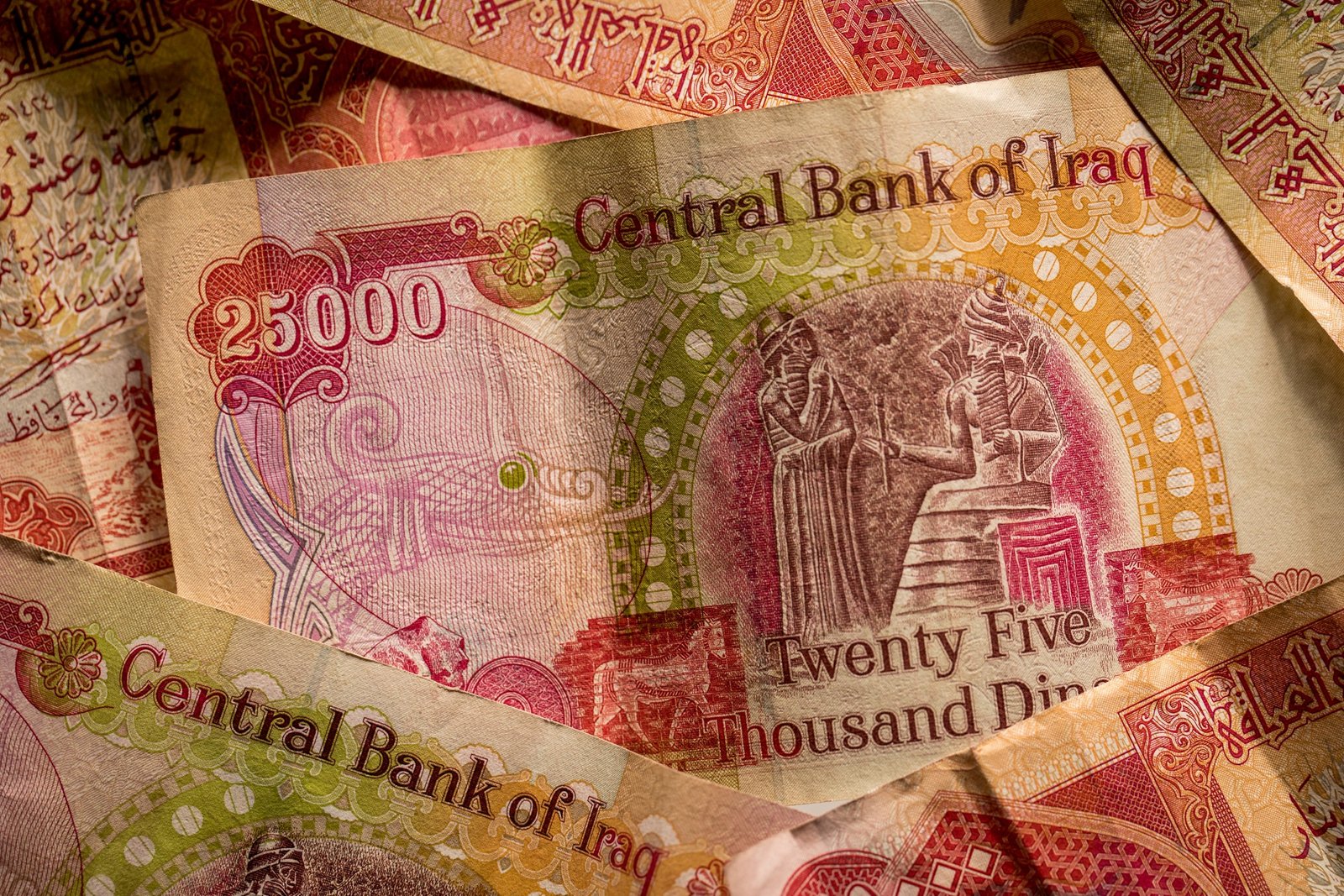
If you own Iraqi Dinar notes, you probably think about price, authenticity, and where to buy from. But there is one thing many collectors forget: how you store your notes matters just as much as where you bought them.
Bad storage does not damage a note overnight. It happens slowly. One day your Iraqi Dinar notes look fine, and a few years later you notice fading, stains, or a musty smell. By then, the damage is already done, and the value has already dropped.
In this guide, we will cover the most common Iraqi Dinar storage mistakes, why they happen, and simple ways to avoid them.
Why Storage Affects the Value of Iraqi Dinar Notes
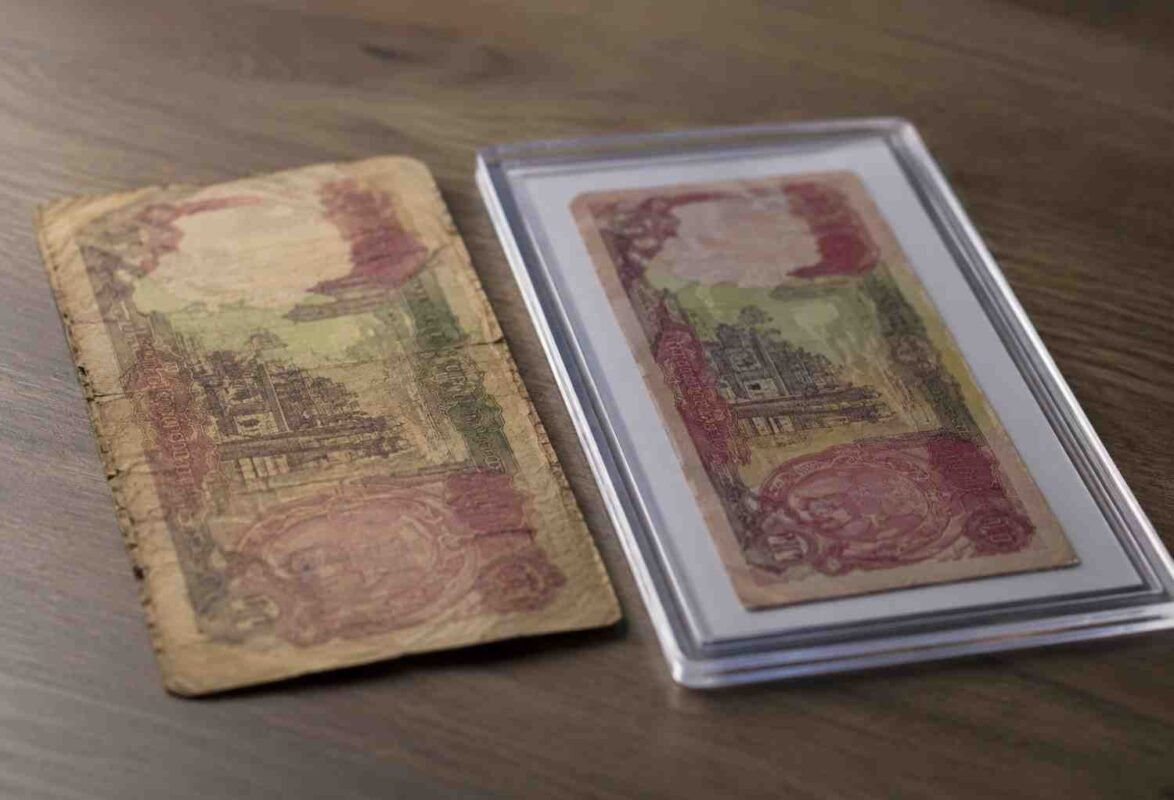
Iraqi Dinar notes, especially uncirculated ones, are valued partly because of their condition. Collectors and buyers pay more for crisp, clean, well-preserved notes. A note with creases, discoloration, or moisture damage is worth less, even if it is genuine.
Think of it like a comic book or a rare stamp. Two identical items can have very different prices, just because one was taken care of and the other was not.
Mistake 1: Storing Notes in Plastic Bags That Are Not Archival Safe
Many people store currency notes in regular plastic bags or sandwich bags from the kitchen. This is one of the most common Iraqi Dinar storage mistakes.
Regular plastic, especially PVC plastic, releases chemicals over time. These chemicals can stick to the surface of the note and cause yellowing or a sticky residue. This process is slow, so you may not notice it for months or years.
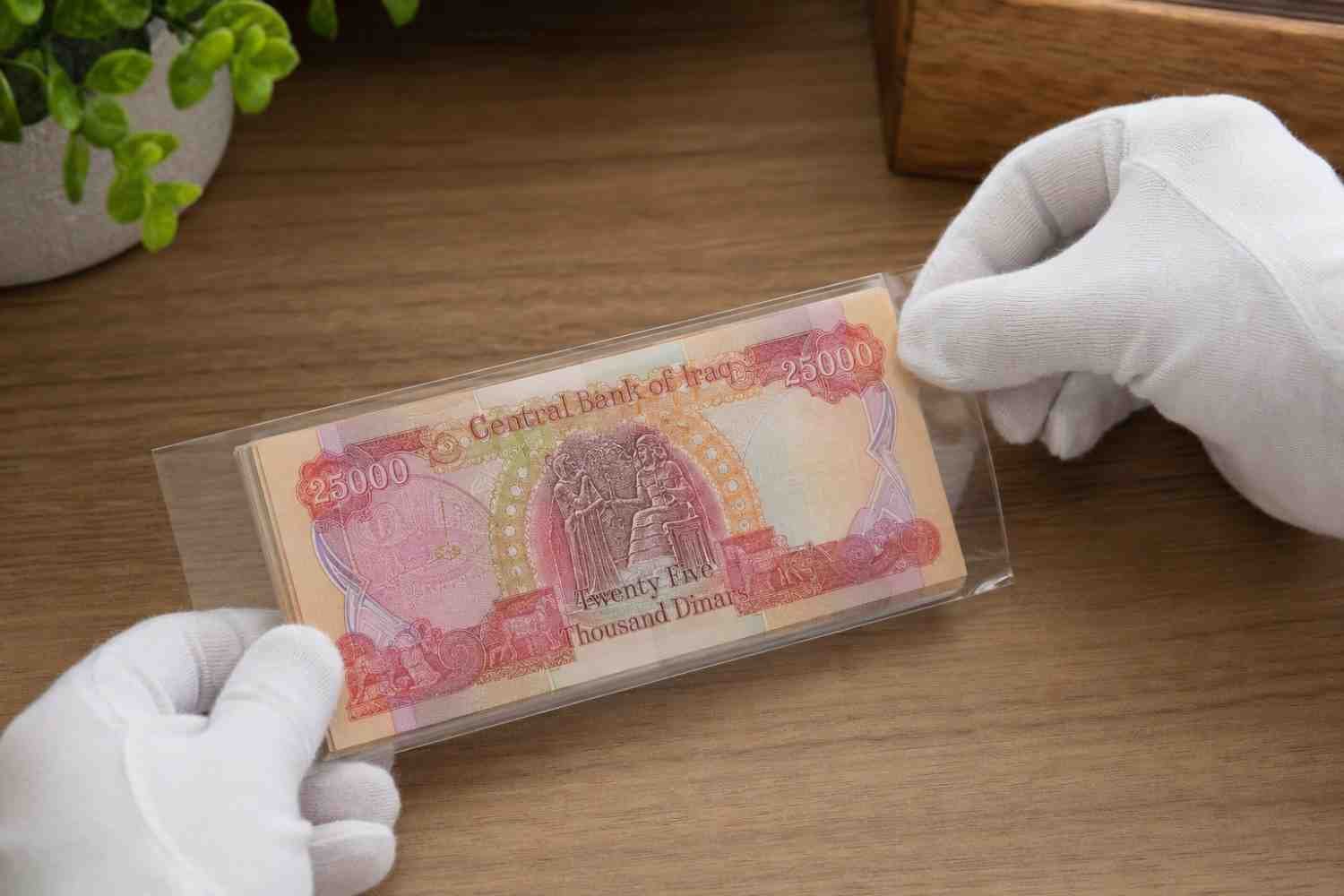
What to do instead: Use currency holders made from Mylar or polypropylene. These materials are acid-free and do not react with paper. They are sold specifically for currency and document storage, and they are not expensive.
Mistake 2: Keeping Notes in Humid or Damp Areas
Basements, garages, and bathrooms are common storage spots in many homes. Unfortunately, they are also some of the worst places to store Iraqi Dinar notes.
High humidity causes paper currency to absorb moisture. Over time, this leads to:
- Soft, weak paper that tears easily
- Mold spots that are hard to remove
- A musty smell that lowers buyer interest
- Ink smudging on the note’s design
What to do instead: Store your notes in a dry room with stable temperature, ideally below 50 percent humidity. A bedroom closet or a drawer in a climate-controlled room works much better than a basement.
Mistake 3: Exposing Notes to Direct Sunlight
Sunlight feels harmless, but ultraviolet rays are one of the fastest ways to fade currency notes. If you display your Iraqi Dinar notes in a frame near a window, or leave them on a desk that gets sunlight, the colors will fade faster than you expect.
Faded notes lose visual appeal, and buyers can spot sun damage easily. It is one of the easiest mistakes to avoid, yet one of the most common.
What to do instead: If you want to display your notes, use UV-protective glass or acrylic in the frame, and keep the frame away from direct sunlight. For notes not on display, store them in a dark drawer or box.
Mistake 4: Touching Notes With Bare Hands Too Often
Natural oils, sweat, and dirt from your fingers transfer onto paper every time you touch it. For everyday cash, this does not matter much. But for collectible or uncirculated Iraqi Dinar notes, every touch slightly lowers the note’s condition.
Over time, repeated handling causes:
- Faint fingerprints that become permanent
- Slight discoloration
- Loss of the crisp, fresh look that buyers look for
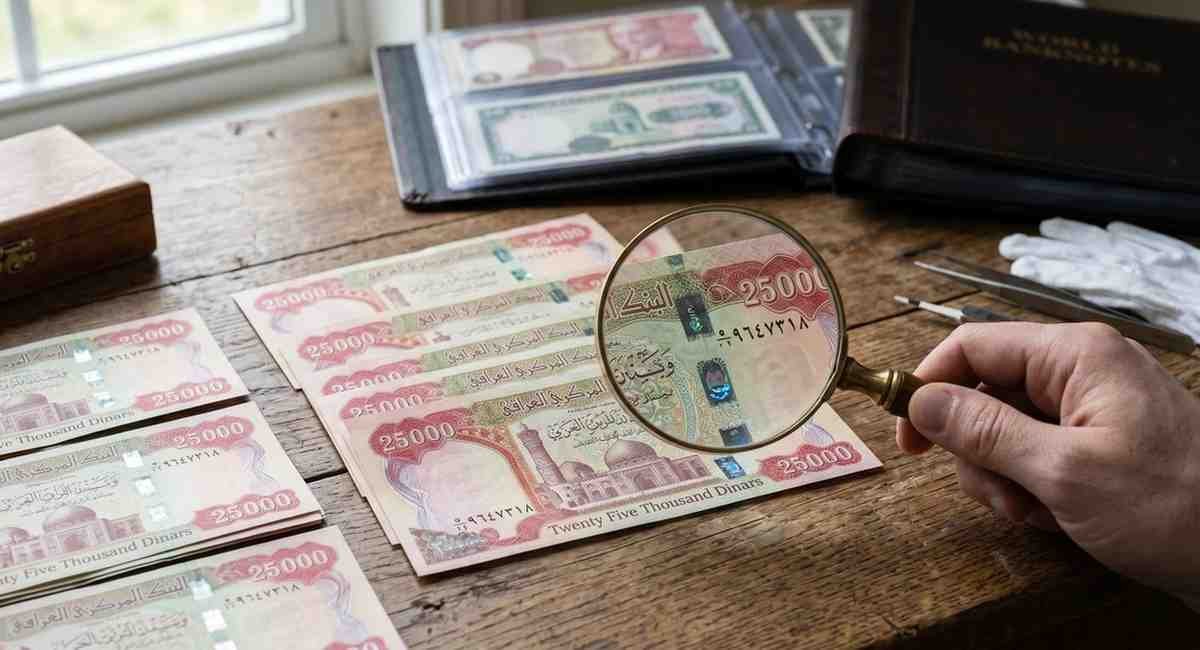
What to do instead: Handle uncirculated notes with clean cotton gloves, especially when inspecting or showing them to others. If gloves are not available, at least wash and dry your hands first, and hold the notes by the edges.
Mistake 5: Folding or Bending Notes for Convenience
It is tempting to fold a note to fit it into a wallet or a small box. But folding creates permanent creases. Once a crease forms, it cannot be removed, and it immediately changes the note from “uncirculated” to “circulated” condition in the eyes of collectors.
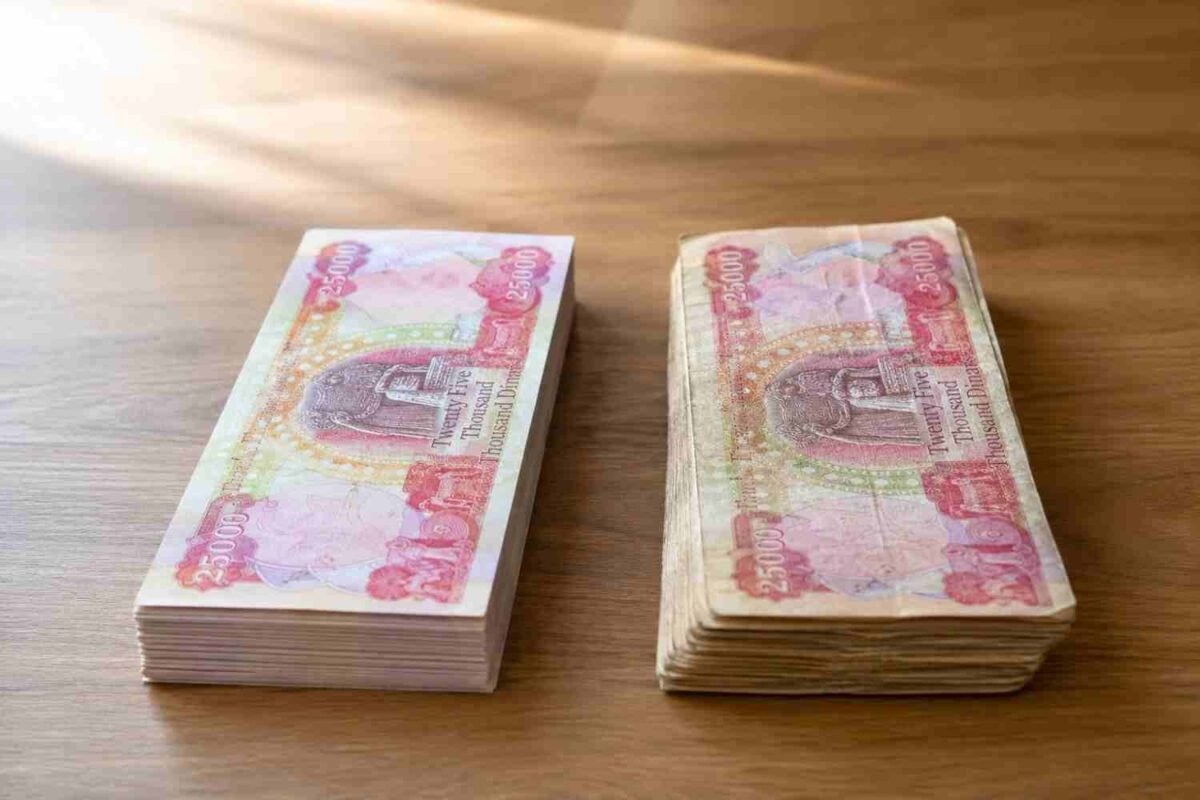
This single mistake can lower the resale value of a note significantly, sometimes by a noticeable percentage compared to a flat, unfolded note.
What to do instead: Always store notes flat. Use a currency album, a flat storage box, or rigid holders designed for banknotes. Never force a note into a space that is too small.
Mistake 6: Stacking Notes Without Separation
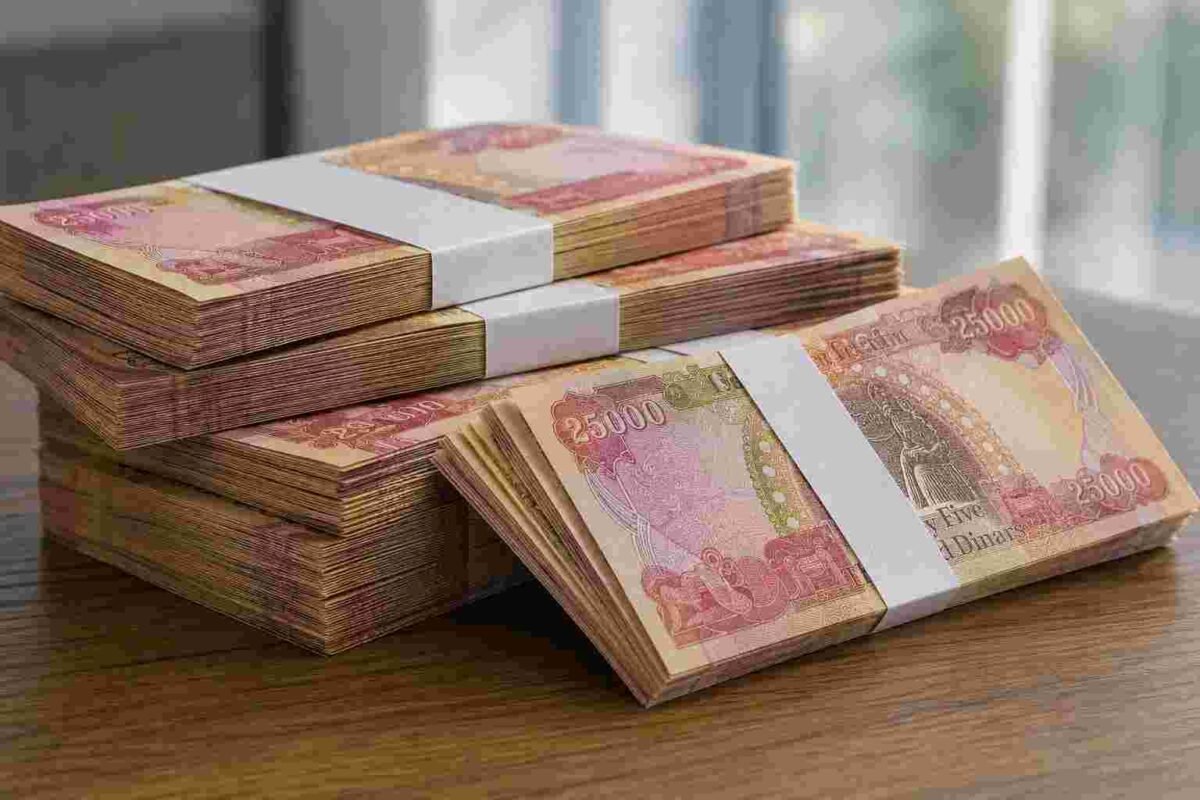
If you collect more than one Iraqi Dinar note, stacking them directly on top of each other is risky. Ink can transfer between notes, especially in humid conditions, and the edges can rub against each other, causing tiny tears or wear.
What to do instead: Place each note in its own protective sleeve before stacking or storing them together. This keeps the notes separated and protected from friction damage.
Mistake 7: Ignoring Pest Control
This one surprises people, but insects like silverfish and certain beetles are attracted to paper and the starch in some inks. If currency is stored in cardboard boxes in attics or storage units for years without checking, pests can cause real damage.
What to do instead: Check stored notes occasionally, even if they are not on display. Store them in sealed containers, away from cardboard boxes, in areas that are pest controlled.
Quick Checklist for Proper Iraqi Dinar Storage
- Use Mylar or polypropylene holders, not regular plastic bags
- Store in a dry, climate controlled room
- Keep notes away from direct sunlight
- Handle with clean hands or gloves
- Never fold notes
- Separate notes with sleeves before stacking
- Check stored notes occasionally for pests or moisture
Final Thoughts
Final Thoughts
Buying authentic Iraqi Dinar notes is only half the job. Protecting their condition is what keeps their value intact over time. Most of the mistakes above are easy to fix, and once you build the right storage habits, your notes can stay in great condition for years, whether you plan to keep them as a collection or sell them later.
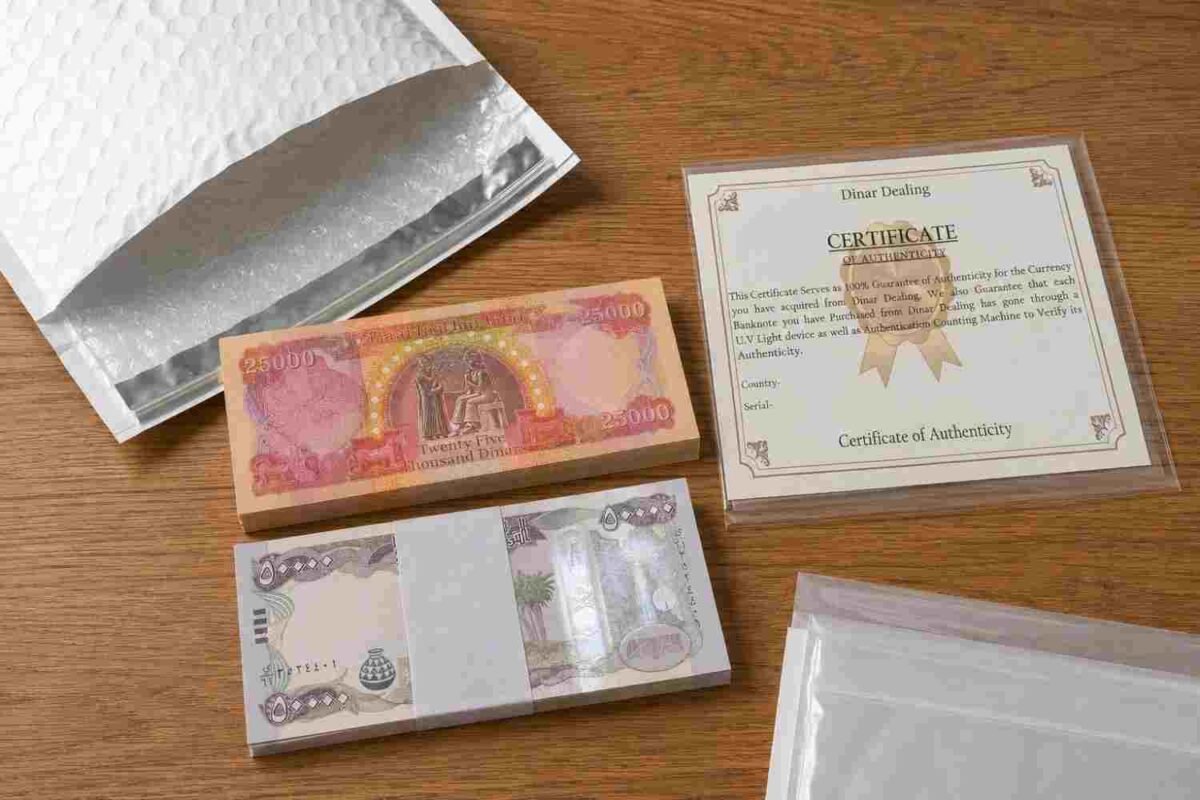
Whether you’re just starting out or expanding an existing collection, it’s worth knowing where to buy Iraqi Dinar online from a seller who guarantees authenticity. If you’re ready to buy iraqi dinar banknotes online, choosing a trusted source for genuine, well-preserved notes is just as important as how you store them at home.