Blog
7 Ways to Buy Authentic Iraqi Dinar Without Overpaying

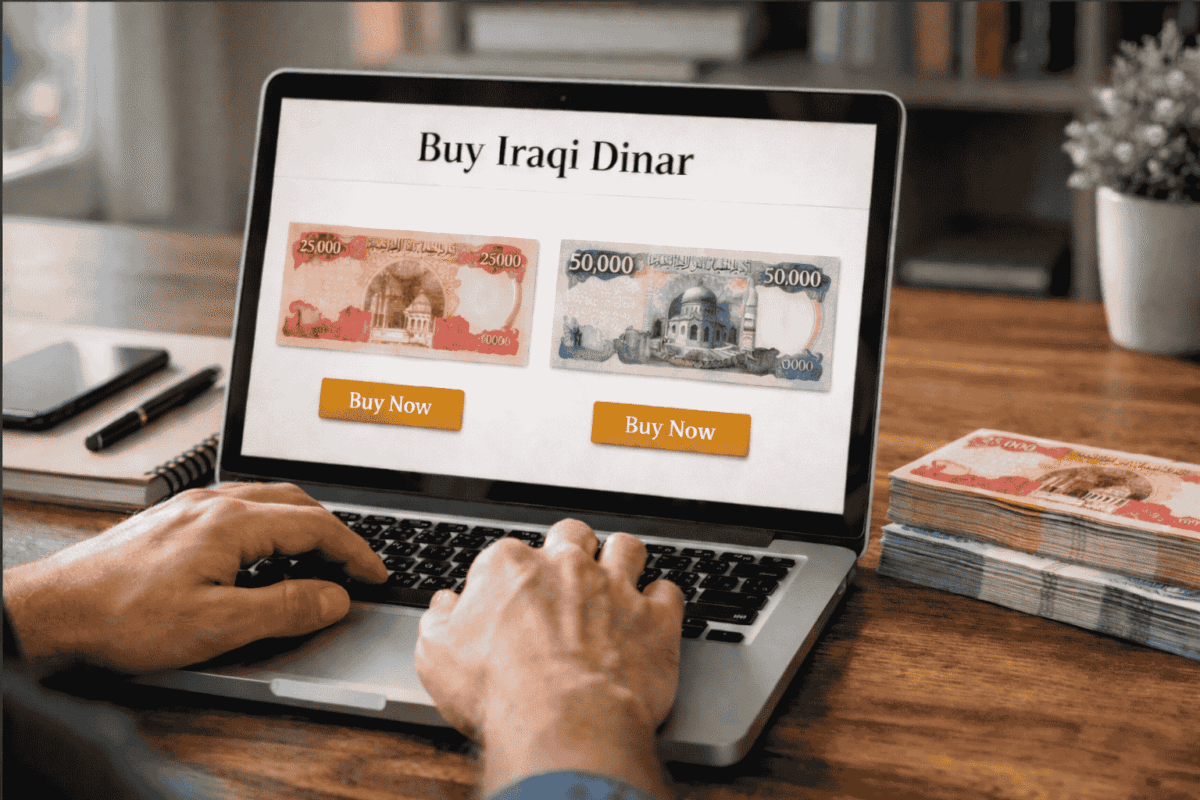
Buying iraqi dinar online sounds simple – until you realize how many sellers, price differences and authenticity concerns exist.
Some websites charge significantly higher markups. Others don’t clearly explain what “uncirculated” really means. And unfortunately, counterfeit currency still exists in the secondary market.
If you’re planning to purchase iraqi dinar – whether for collecting purposes or currency ownership – you need clarity before you spend money.
This guide explains seven practical, research-backed ways to buy authentic iraqi dinar without overpaying, while protecting yourself from common mistakes.
Let’s break it down step by step.
1. Understanding Official Rates vs. Retail Selling Prices
One common mistake buyers make is confusing the official published rate with the retail selling price offered by dealers.
The official rate is issued by the Central Bank of Iraq and represents large-scale currency valuation. It does not reflect what individual buyers pay when purchasing physical banknotes from a seller.
When you purchase physical Iraqi dinar notes:
- Dealers source the notes from verified channels
- They inspect and authenticate each batch
- They store and protect the notes properly
- They cover shipping, insurance and operational expenses
- They include a standard business margin
Because of these real-world costs, the retail selling price will always differ from the officially published rate.
What You Should Do
- Review the current published rate from reliable public sources.
- Compare pricing across multiple established dealers.
- Understand that a reasonable markup is normal in the physical currency market.
- Be cautious of extreme price differences – whether unusually high or suspiciously low.
If a listing appears dramatically cheaper than the general market range, take a moment to investigate. Authentic sourcing, proper handling and secure delivery all have associated costs.
Paying slightly more for verified, properly handled notes is often safer than chasing the lowest number you see.
2. Buy Only From Established, Transparent Dealers
Authenticity starts with the seller.
A legitimate currency dealer should clearly provide:
- Business contact information
- Secure checkout process
- Transparent pricing
- Shipping policies
- Return/refund policy
- Clear product descriptions
Avoid anonymous marketplaces or social media listings with no business footprint.
Red Flags:
- No physical address listed
- No customer support contact
- Pressure tactics
- Claims of “guaranteed future value”
Professional dealers focus on authenticity and condition – not unrealistic financial promises.
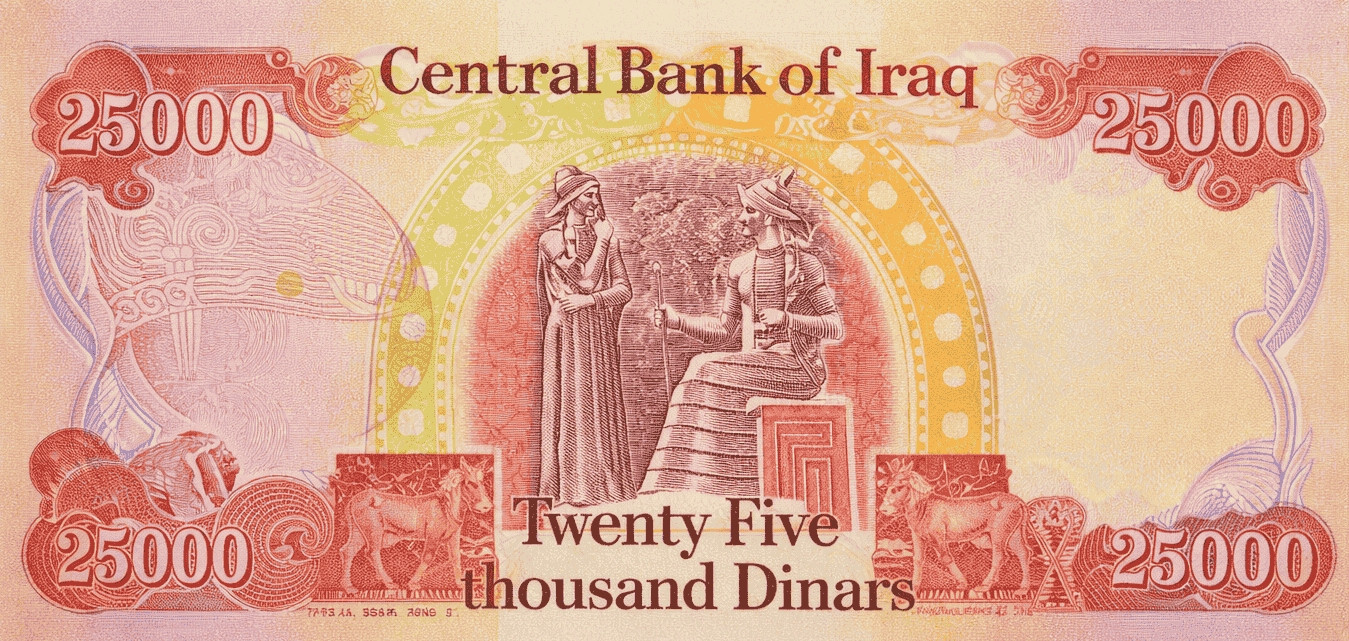
3. Verify Security Features of the 25,000 Iraqi Dinar Note
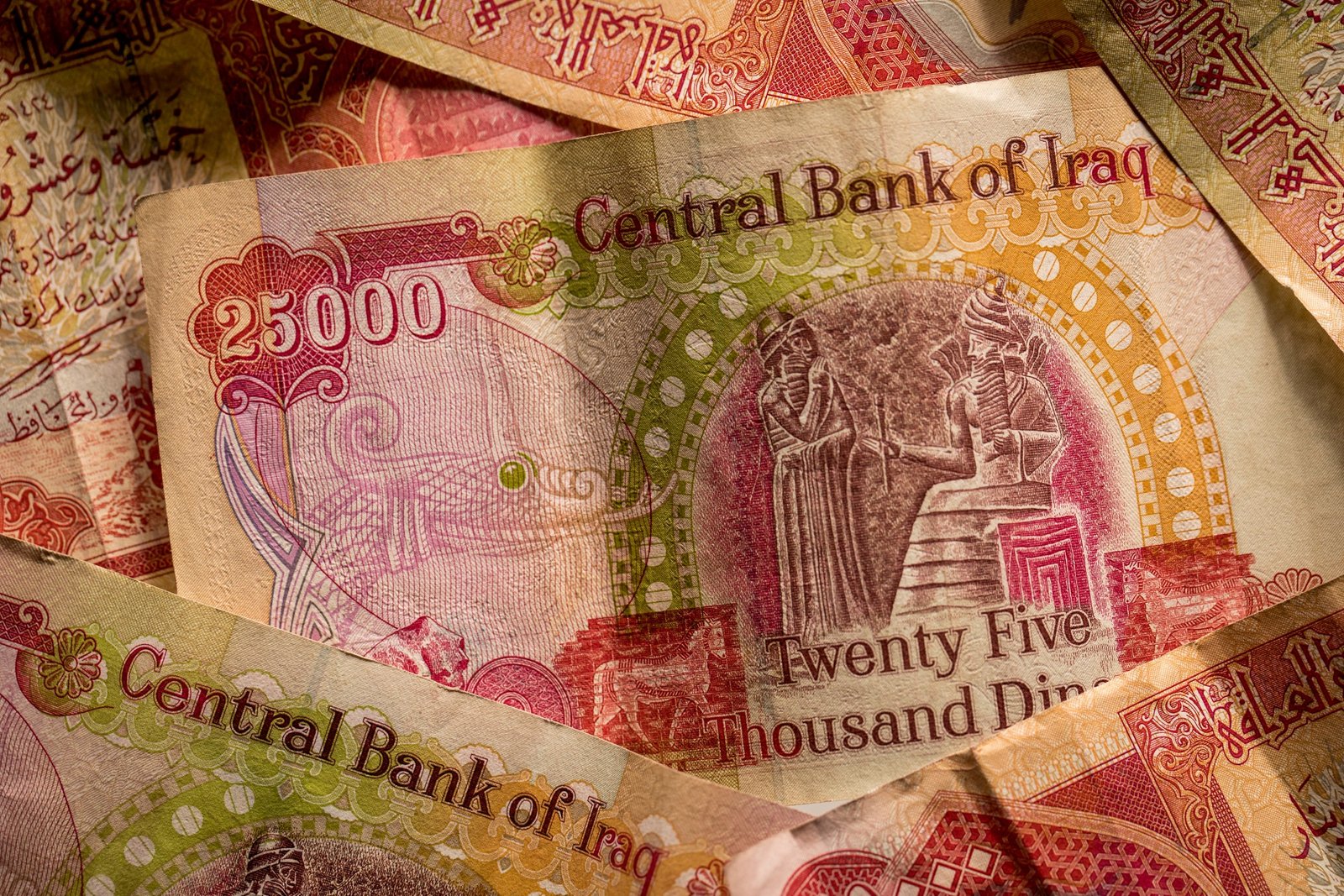
The 25000 iraqi dinar note is one of the most commonly purchased denominations.
To avoid overpaying for counterfeit or low quality notes, understand its security features.
Key security elements include:
- Watermark (visible when held to light)
- Security thread
- Color-shifting ink
- Raised print texture
- Micro-printing
If a dealer cannot clearly explain these features or refuses to discuss authenticity verification, that’s a warning sign.
Understanding security features protects you from paying premium prices for questionable notes.
4. Always Choose Uncirculated Notes (If Budget Allows)
When browsing listings, you’ll often see terms like:
- Uncirculated
- Circulated
- Crisp
- Bank condition
Uncirculated notes are:
- Clean
- Unfolded
- Free from stains or damage
- Stored properly since printing
Collectors generally prefer uncirculated notes because:
- They hold condition better
- They are easier to resell
- They maintain aesthetic value
Circulated notes are cheaper – but you may end up paying more long-term if quality matters to you.
Before purchasing, ask:
- Are the notes guaranteed uncirculated?
- How are they stored?
- Are they bundled securely?
Paying slightly more for proper condition can prevent regret later.
5. Compare Pricing Across Multiple Dealers
Never buy from the first site you find.
Check at least 3–5 established dealers and compare:
- Price per denomination
- Bulk discounts
- Shipping fees
- Payment processing fees
Some dealers show low base prices but add high shipping costs later.
Others may offer bundle discounts that reduce the per-note cost.
Take 15-20 minutes to compare before committing. That small effort can save you meaningful money.
6. Avoid “Revaluation Hype” Marketing
One of the biggest pricing traps in the iraqi dinar market is emotional marketing.
You may see claims suggesting:
- Sudden massive appreciation
- Guaranteed financial return
- Insider opportunities
Be cautious.
Currency markets are complex and influenced by macroeconomic policies, international trade and monetary stability. No retail seller can guarantee future valuation changes.
Serious dealers focus on:
- Authenticity
- Transparency
- Condition quality
- Secure delivery
If the website heavily promotes speculative returns instead of product quality, you are more likely to overpay.
Buy based on facts – not hype.
7. Understand Bulk Pricing Before Buying Large Quantities
Many buyers assume buying more always means paying less.
That’s not always true.
Before purchasing larger quantities:
- Calculate cost per note
- Include shipping
- Include payment fees
- Ask about bulk discount structure
Some sellers offer genuine tiered pricing. Others simply market “bulk deals” without actual savings.
Break down the math carefully before increasing order size.
Additional Tips to Protect Your Purchase
Even beyond pricing, here are a few extra steps that matter:
Use Secure Payment Methods
Credit cards or secure payment processors offer buyer protection. Avoid wire transfers unless fully confident in the seller.
Check Customer Reviews
Look for independent reviews outside the seller’s website.
Review Return Policies
Clear return terms indicate professionalism.
Confirm Packaging Standards
Proper packaging protects note condition during transit.
Why Authenticity Matters More Than Price
It’s tempting to chase the lowest listing.
But when dealing with physical currency, authenticity and condition matter more than saving a few dollars upfront.
Counterfeit notes:
- Have zero collectible value
- Cannot be exchanged
- May not be refundable
A slightly higher price from a reputable source is often safer than a suspiciously low offer.
Smart buyers think long term.
Frequently Asked Questions
Is buying Iraqi dinar legal?
In many countries, including the United States, owning foreign currency is legal. However, regulations vary by location. Always verify local laws before purchasing.
Can I convert Iraqi dinar through my local bank?
Many banks do not handle Iraqi dinar because it is not widely traded internationally. Availability depends on the institution and location. It’s best to contact your bank directly to confirm whether they process this currency.
Why is the selling price different from the official rate?
The official rate reflects large scale currency values set by national authorities. The retail selling price, however, includes handling, verification, storage, shipping and business operating costs. Because physical notes must be sourced and delivered securely, the final selling price will differ from the published rate.
Final Thoughts: Buy Smart, Not Emotional
Buying iraqi dinar doesn’t have to be confusing or risky.If you:
- Understand converting differences
- Buy from established dealers
- Verify security features
- Choose proper condition
- Compare pricing
- Avoid hype
- Calculate bulk value
You dramatically reduce the risk of overpaying.
Take your time. Do your research. Ask questions.
In currency transactions, clarity always beats urgency.